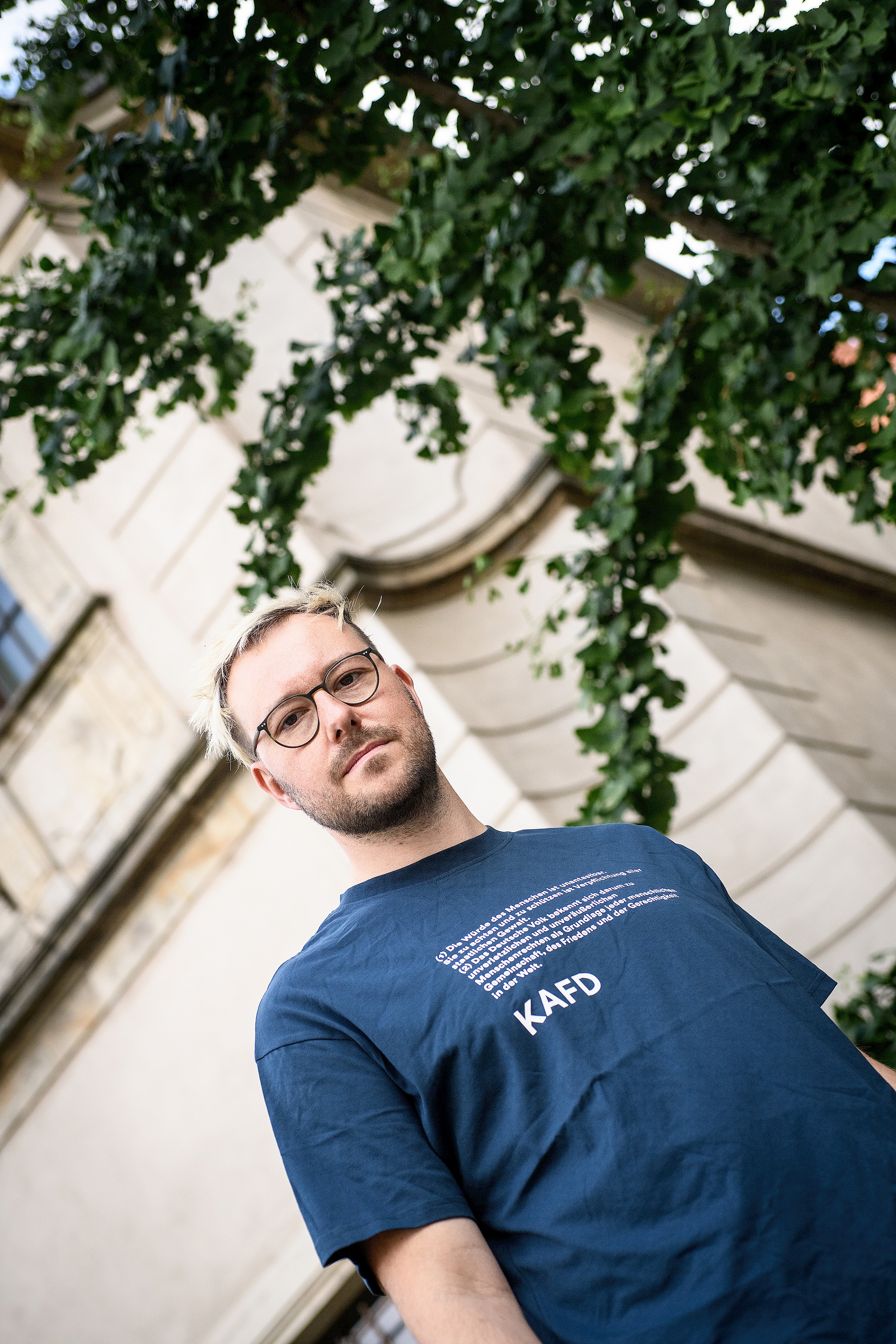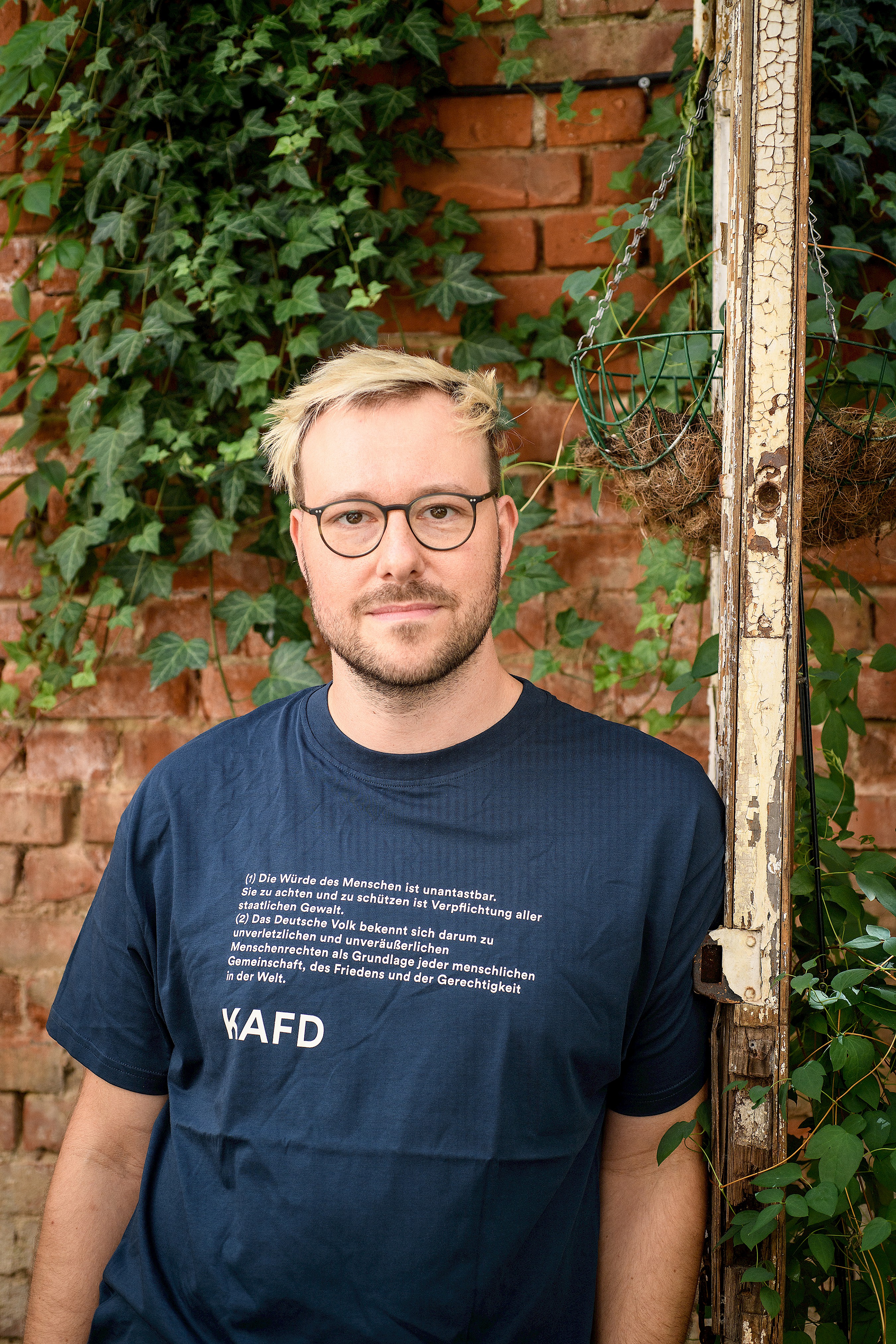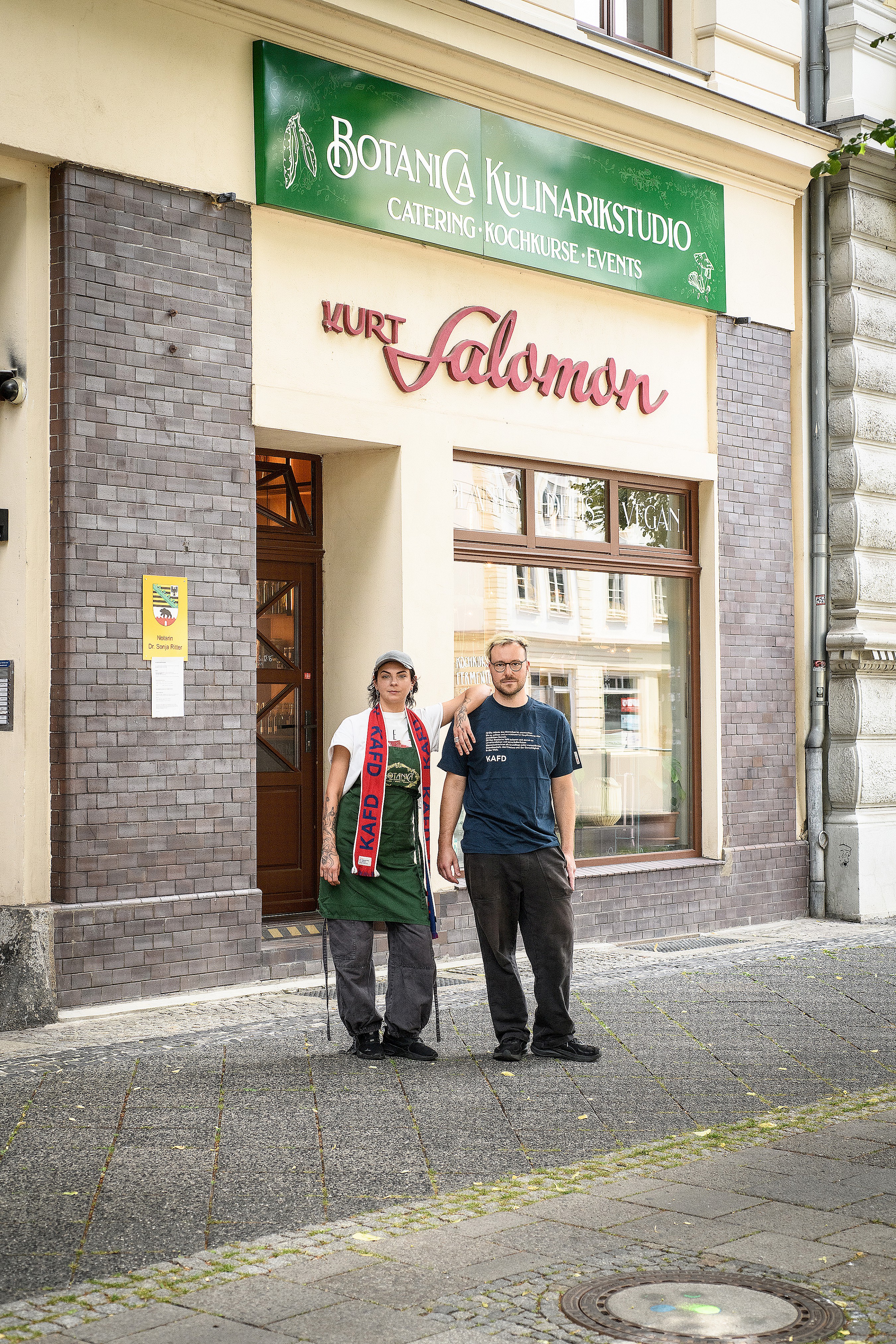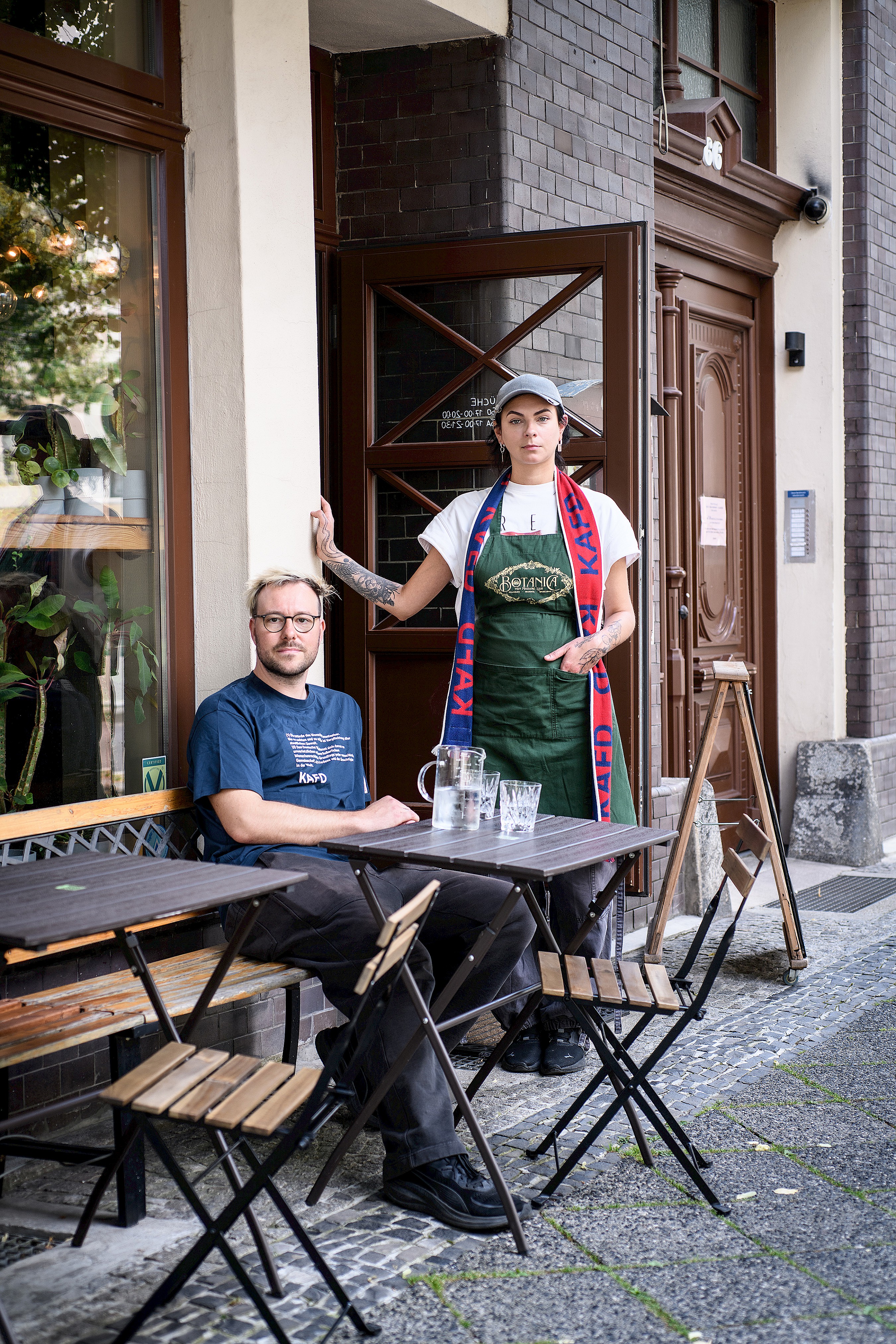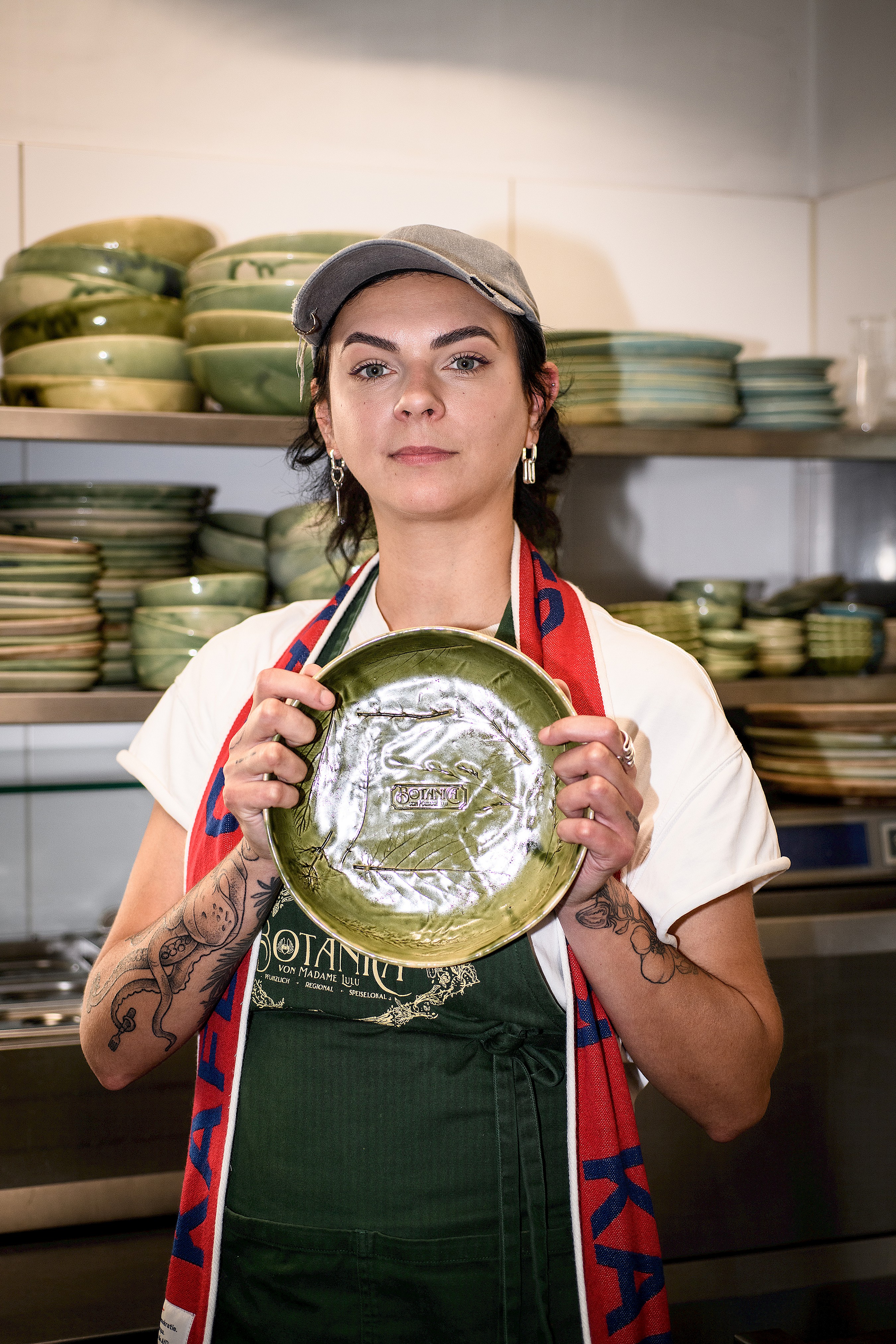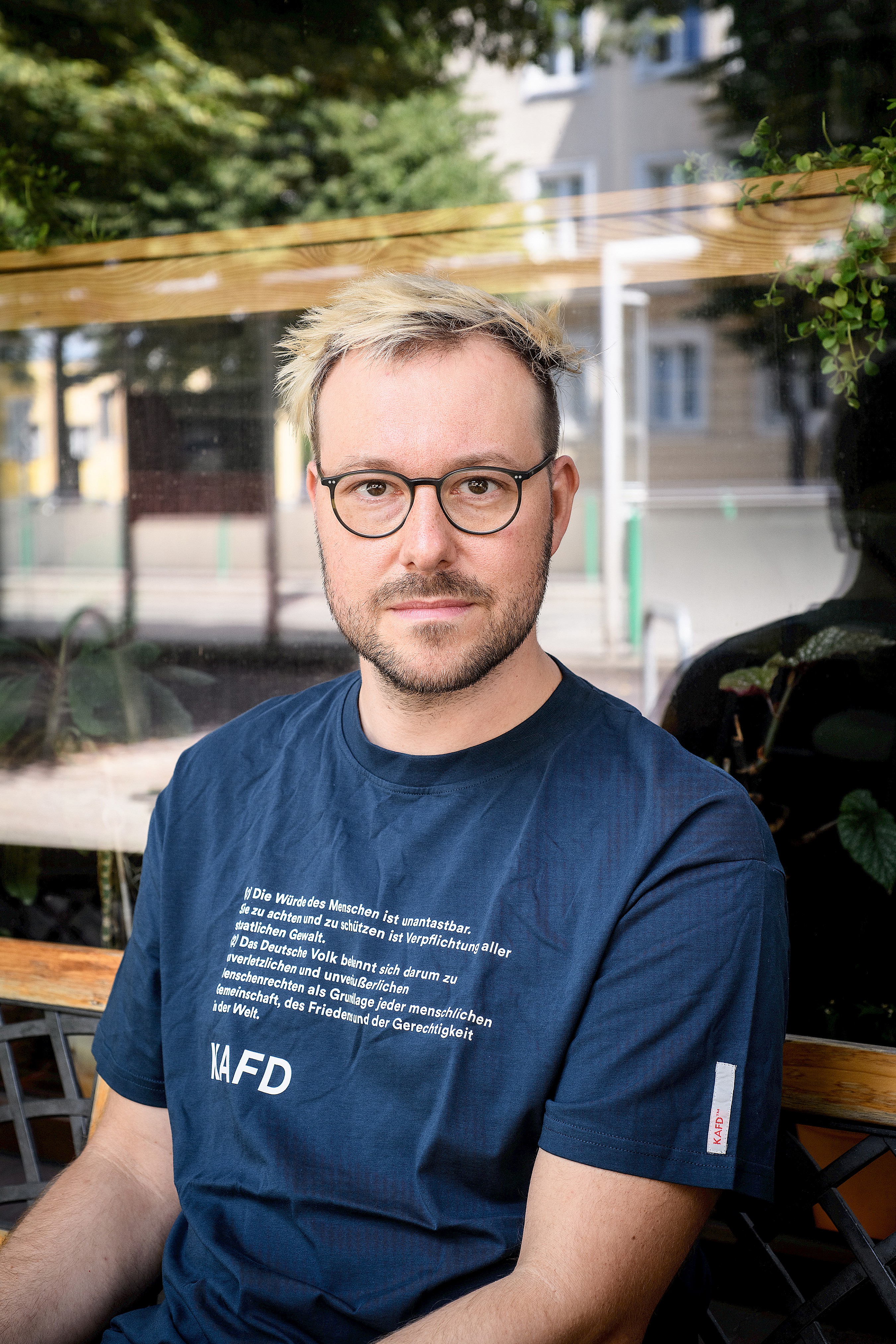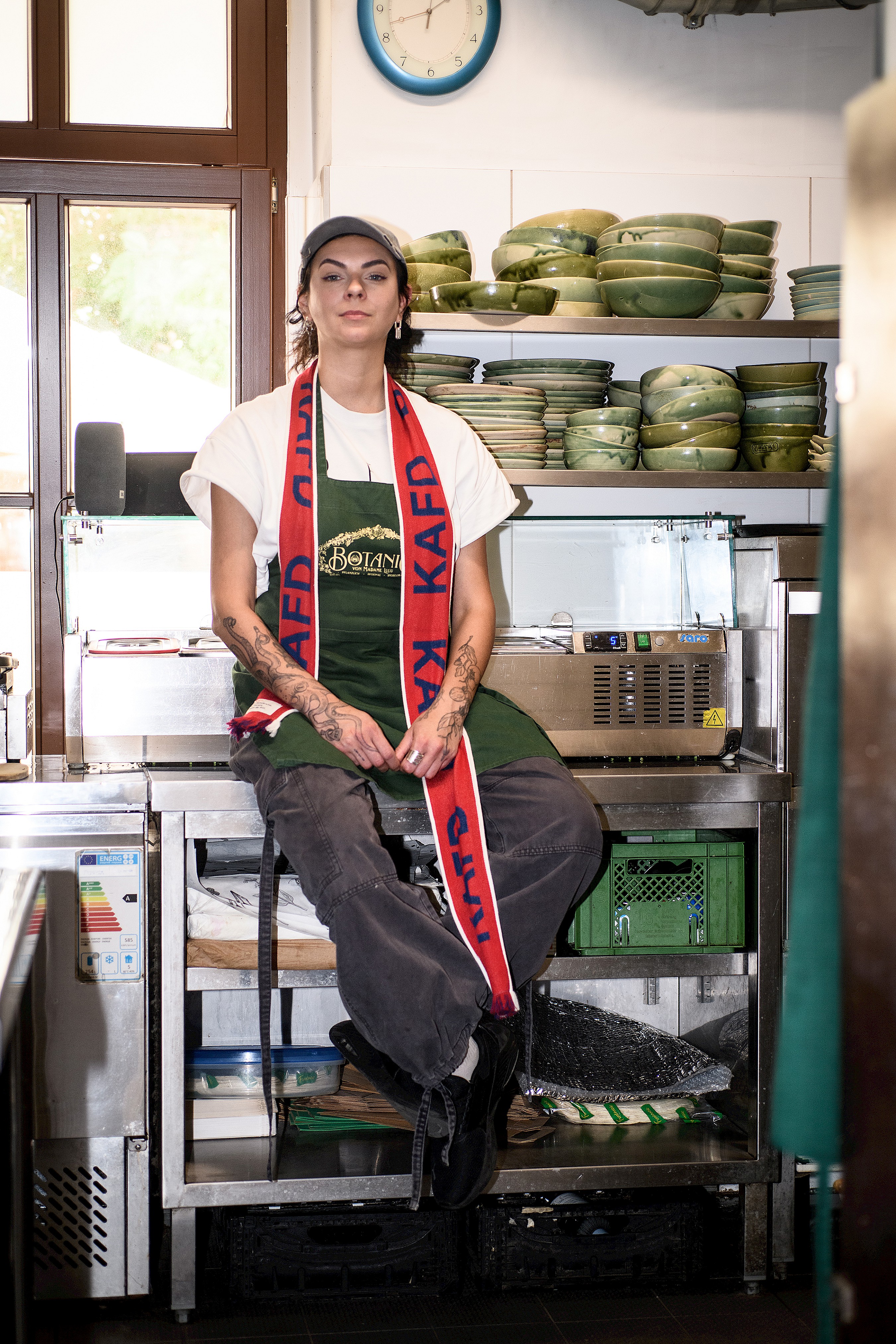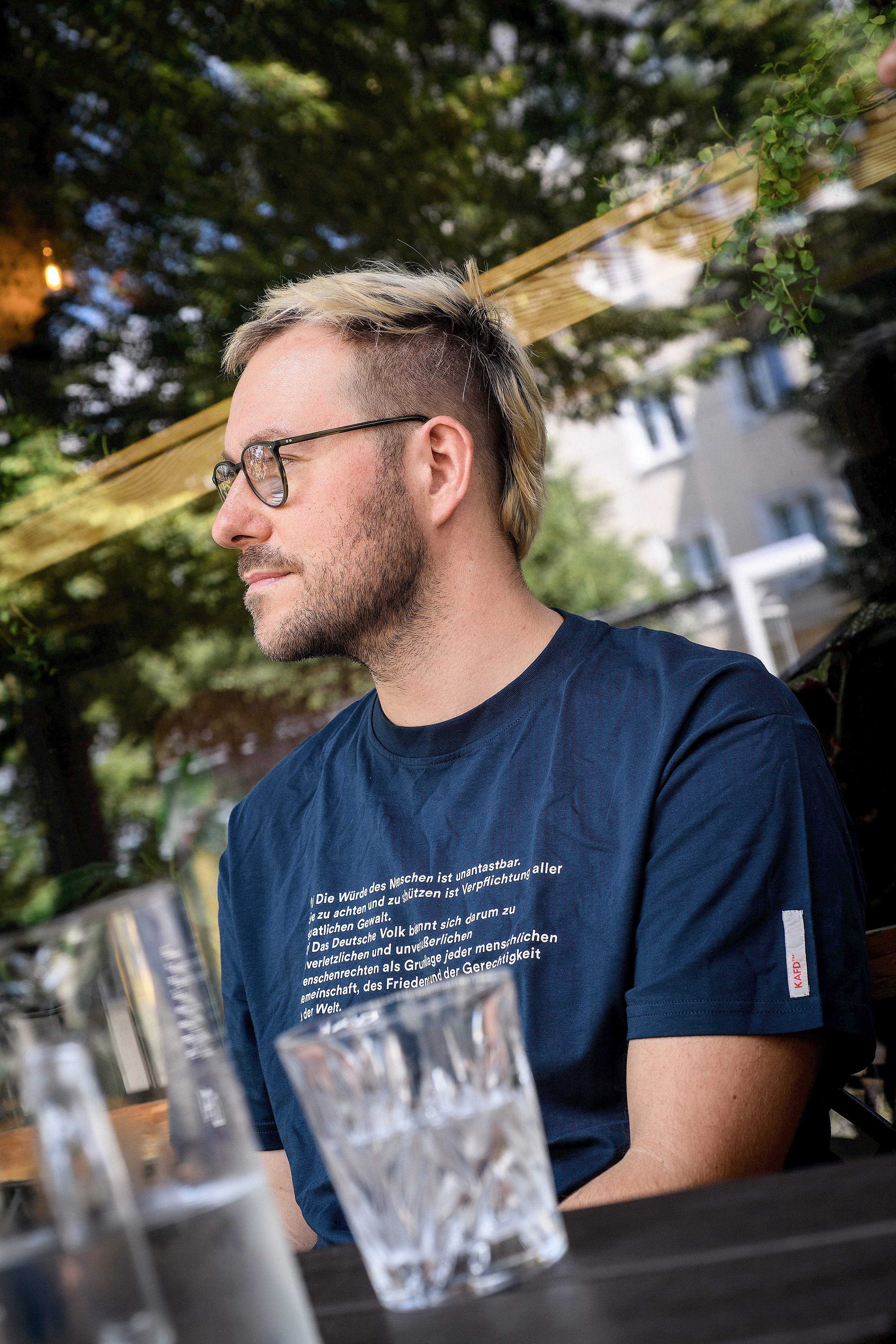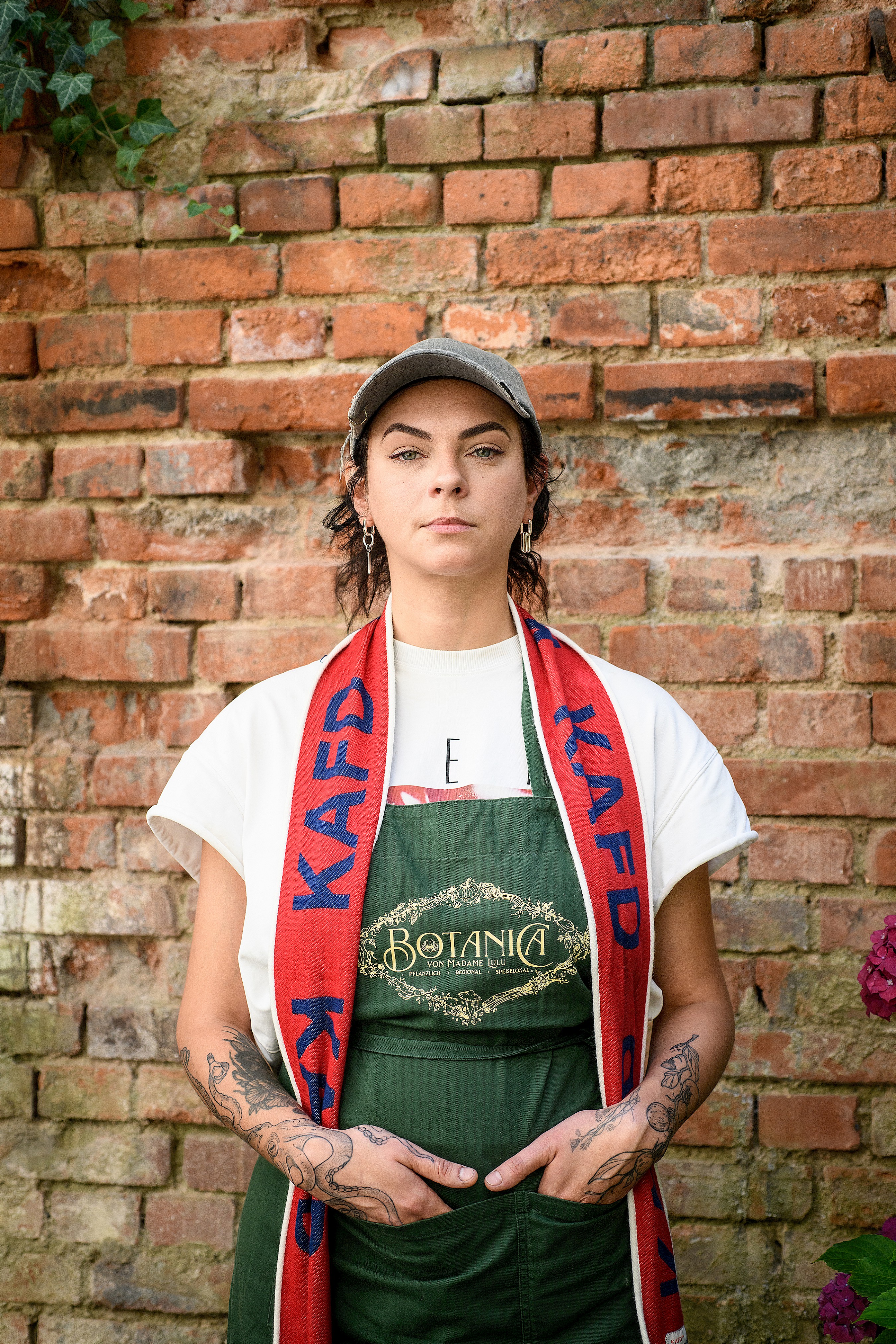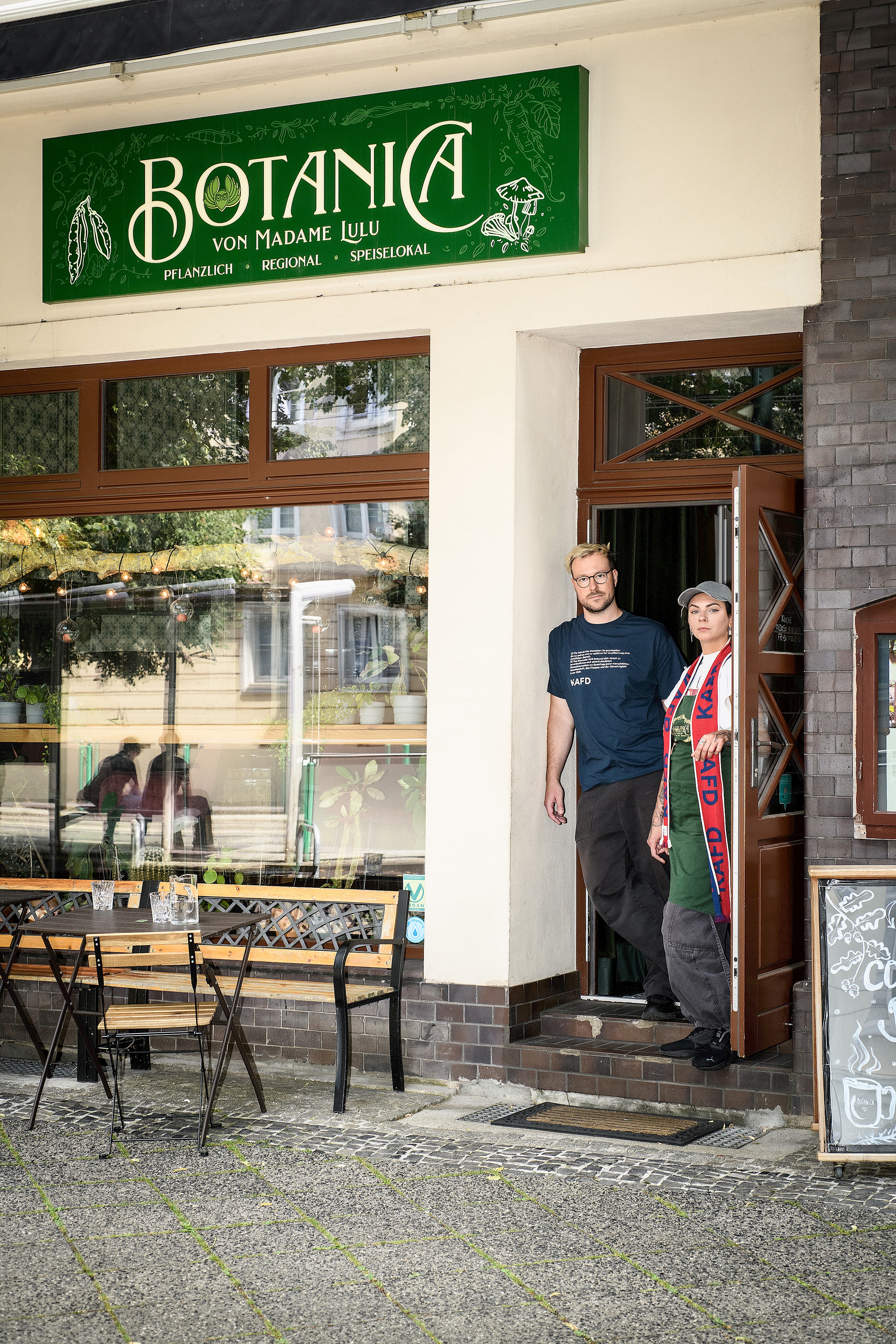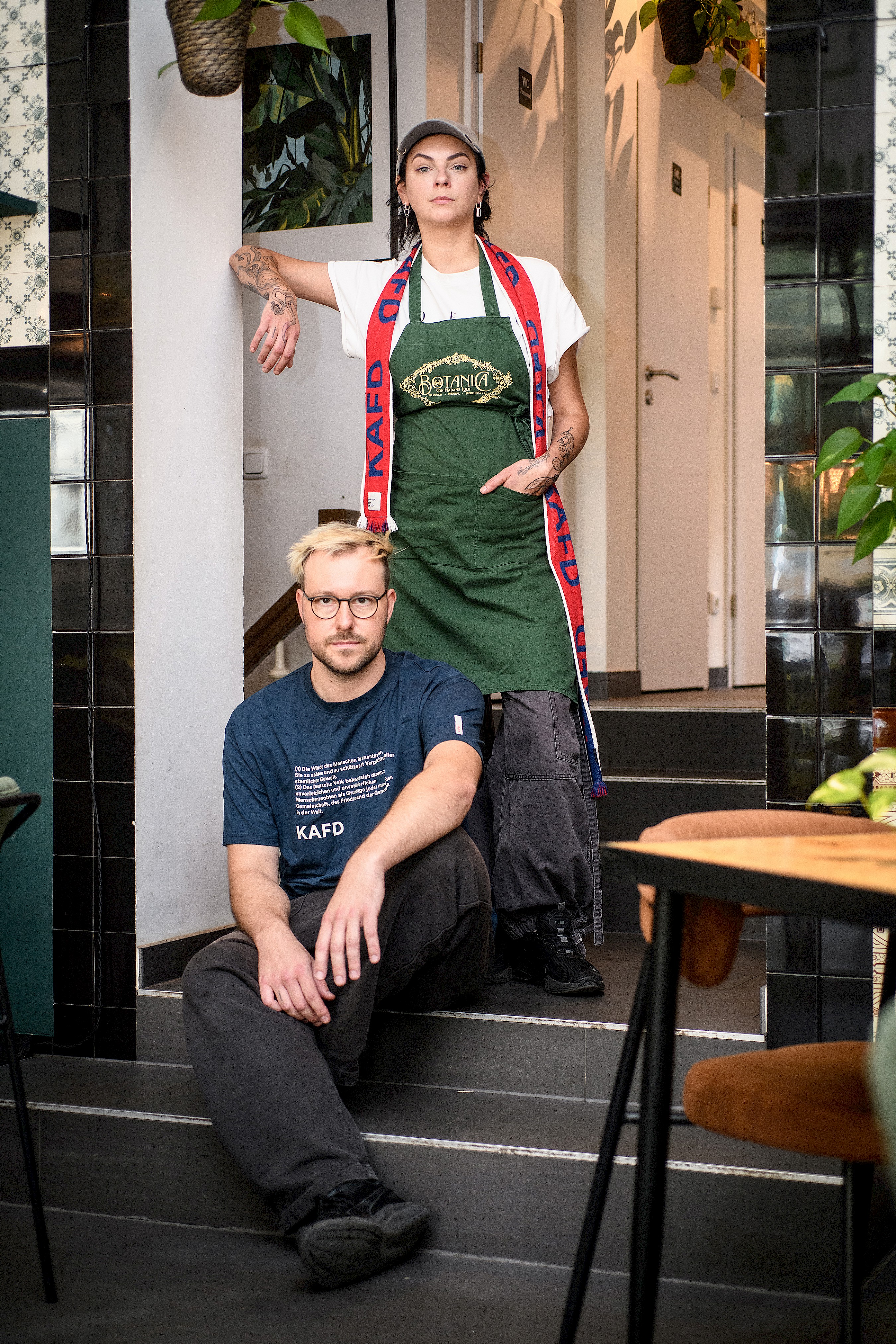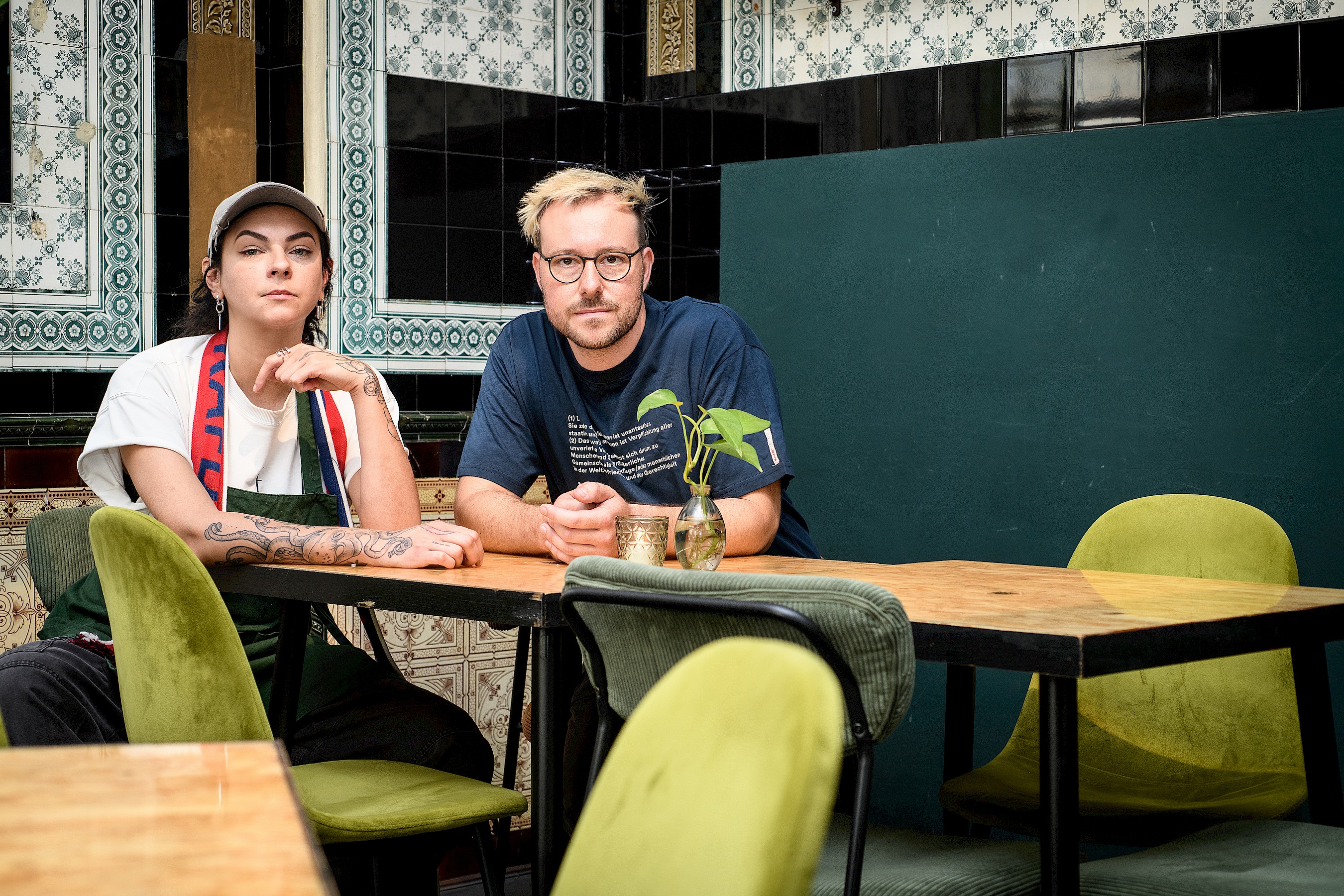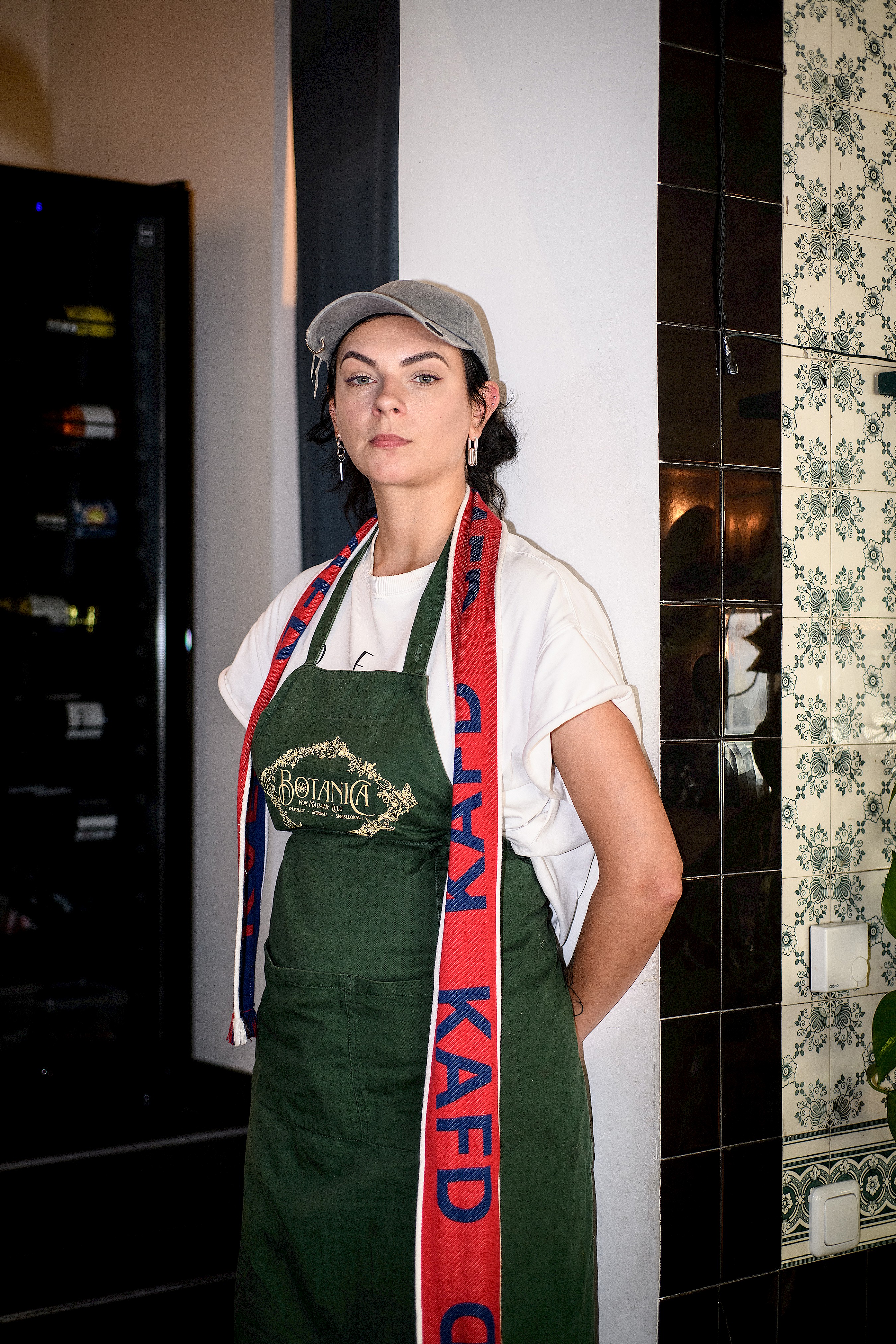


Elena Gaidamacha & Julius Fritsch, Betreiber "Botanica" Speiselokal in Magdeburg
Michael Sans
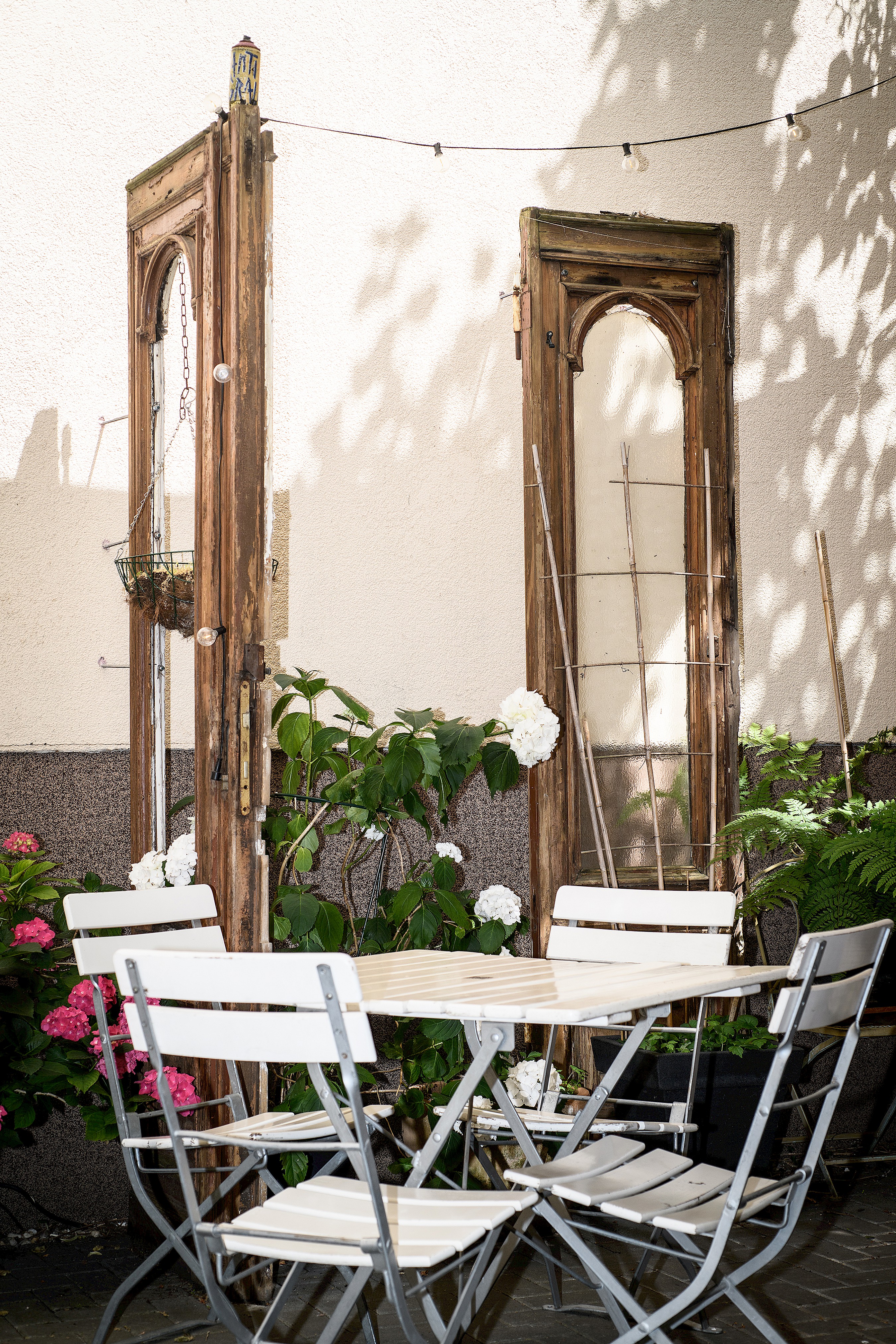
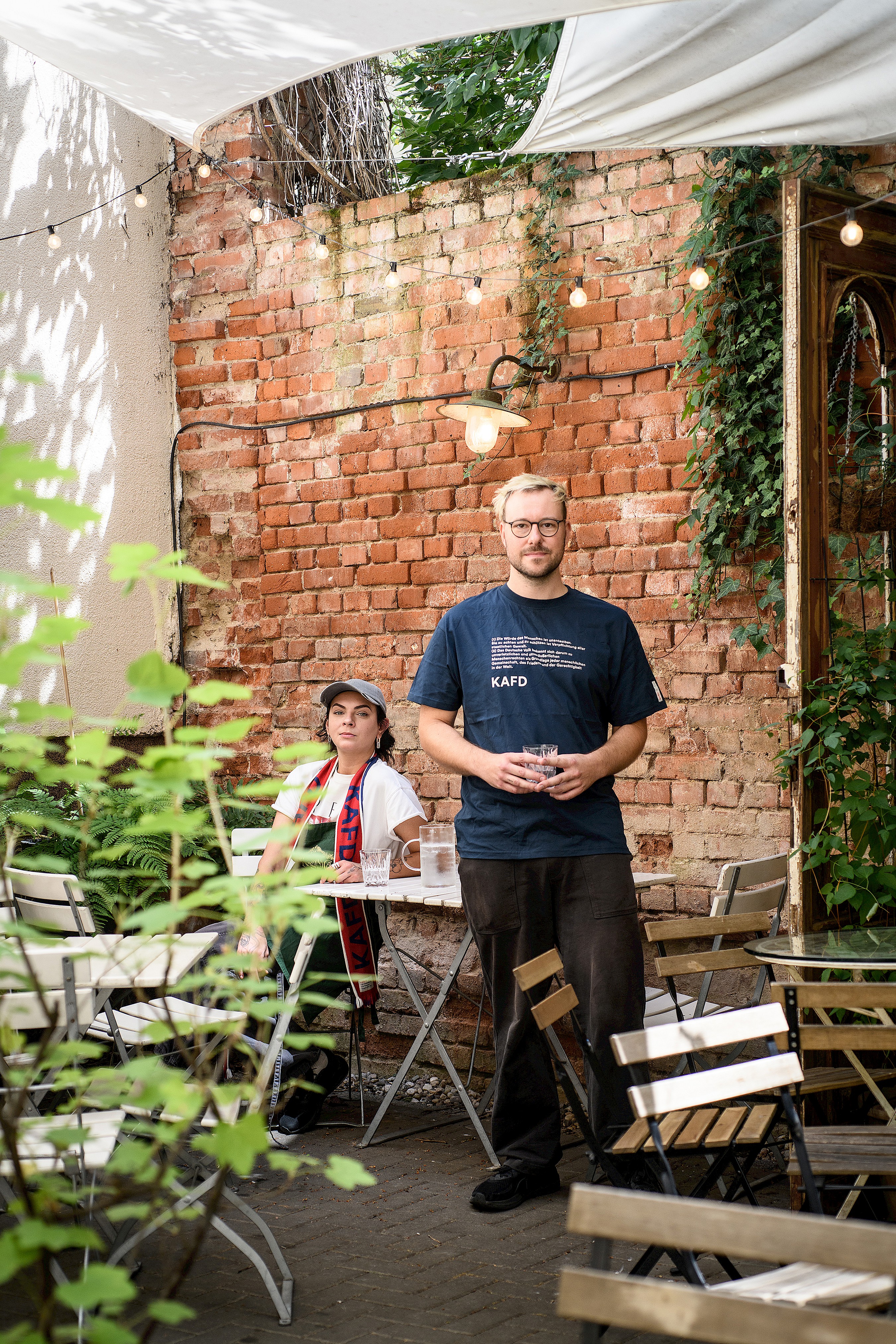
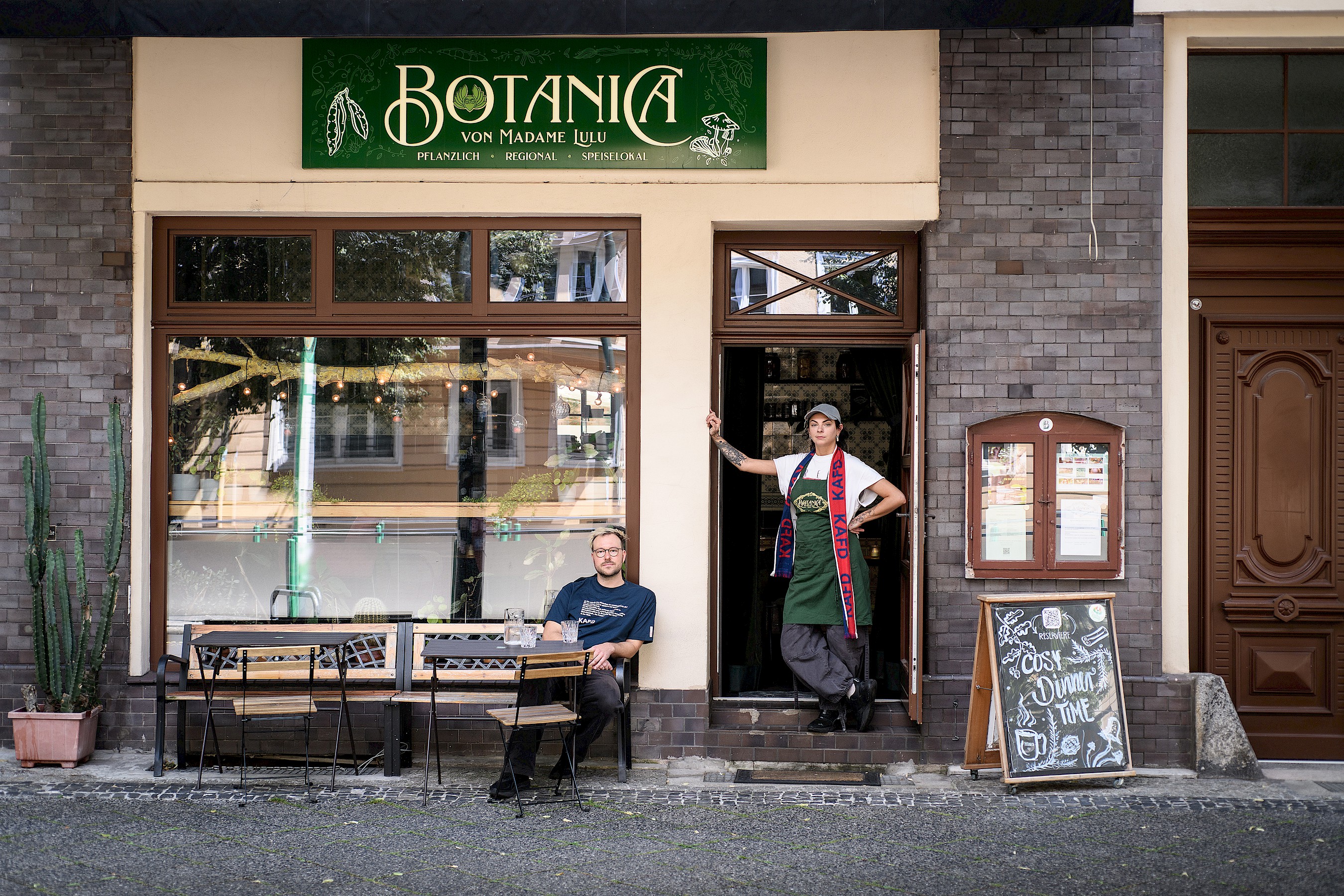
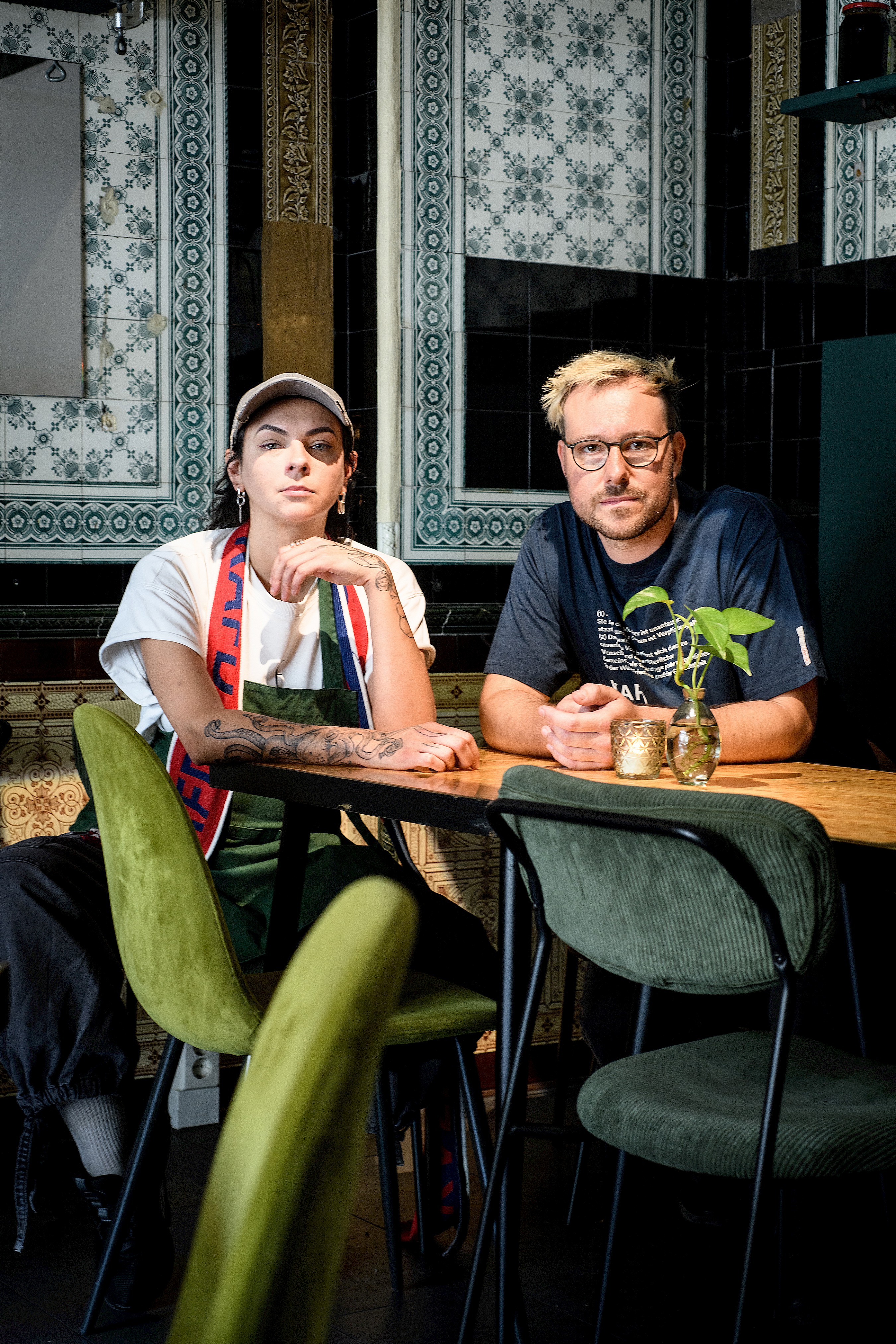
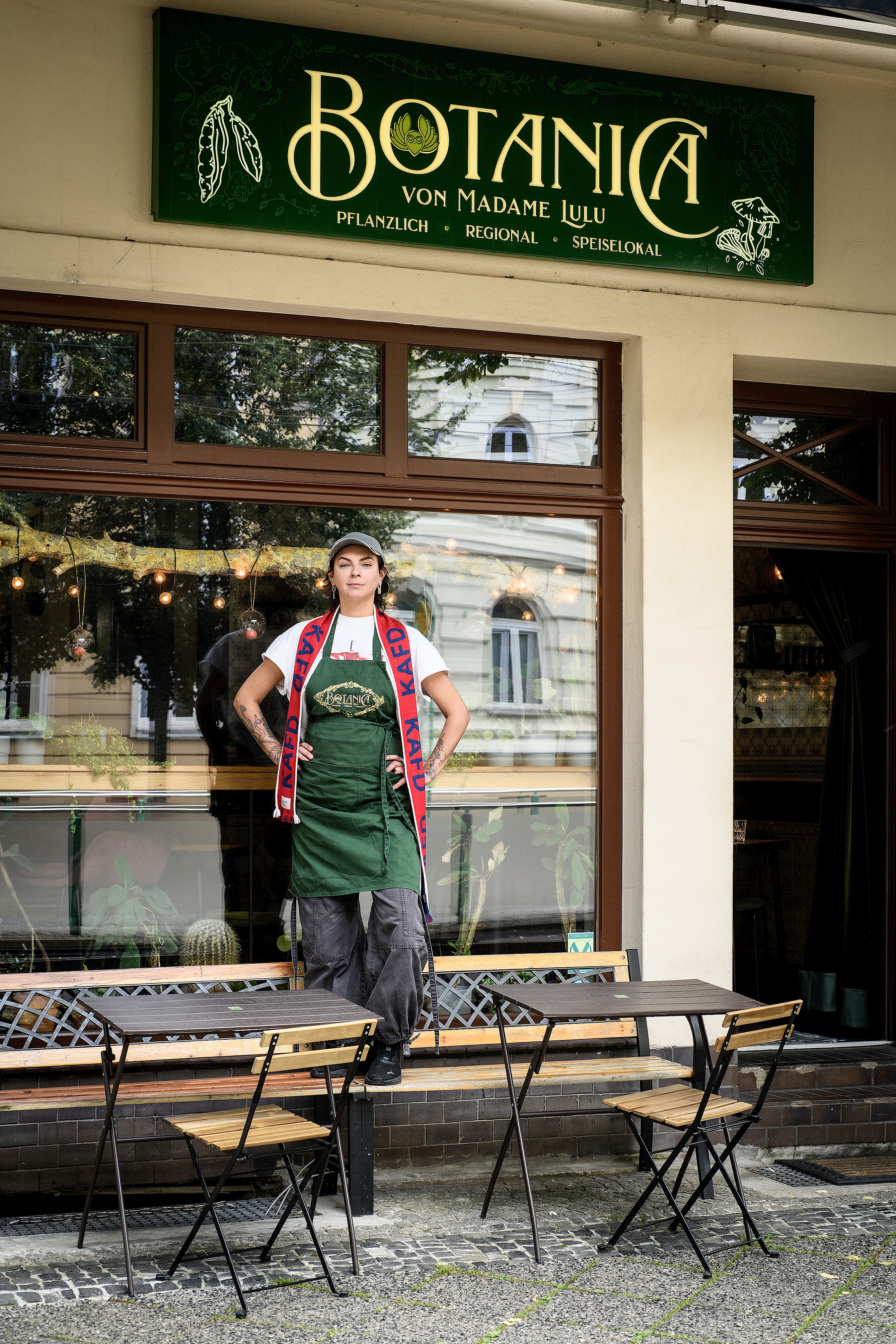
Julius Fritsch und Elena Gaidamacha betreiben das Speiselokal Botanica in der Magdeburger Altstadt. In der ehemaligen Fleischerei mit ihren originalen Fliesen aus den 20er Jahren ist 2018 ein Ort entstanden, an dem pflanzliche Küche im Mittelpunkt steht.
Gekocht wird saisonal, regional und immer mit dem, was die Natur gerade bereithält. Die Karte ist bewusst klein und verändert sich ständig. Im Mittelpunkt steht nicht ein bestimmter Küchenstil, sondern das Produkt selbst.
Auch die Getränke erzählen ihre eigene Geschichte. Naturweine, handwerklich hergestellte Spirituosen und besondere alkoholfreie Begleiter stammen aus kleinen Manufakturen oder entstehen direkt bei uns. Kombucha, Kwas und andere probiotische Getränke gehören seit vielen Jahren zu den Spezialitäten des Hauses.
Was die Saison schenkt, wird eingeweckt, fermentiert, eingekocht und haltbar gemacht. So entstehen über das ganze Jahr hinweg Aromen, die ihren Weg zurück auf den Teller und ins Glas finden.
Wo immer es möglich ist, arbeiten wir mit Erzeugerinnen und Erzeugern aus der Region zusammen. Wir versuchen möglichst wenig zu verschwenden und möglichst viel von jeder Zutat zu nutzen. Nicht weil es ein Trend ist, sondern weil es für uns selbstverständlich dazugehört.
Direkt nebenan befindet sich das Botanica Kulinarik Studio im ehemaligen Lebensmittelgeschäft Kurt Salomon. Von hier aus entstehen Dinner Events an besonderen Orten, Koch und Fermentationskurse, Caterings und ein kleines Mittagsangebot. Ob im Gruson Gewächshaus oder mitten auf einem Acker bei unseren Erzeuger:innen, wir möchten Menschen wieder näher an den Ursprung ihres Essens bringen.
www.botanica.madame-lulu.com
instagram.com/botanica_speiselokal
Fotos © Michael Sans
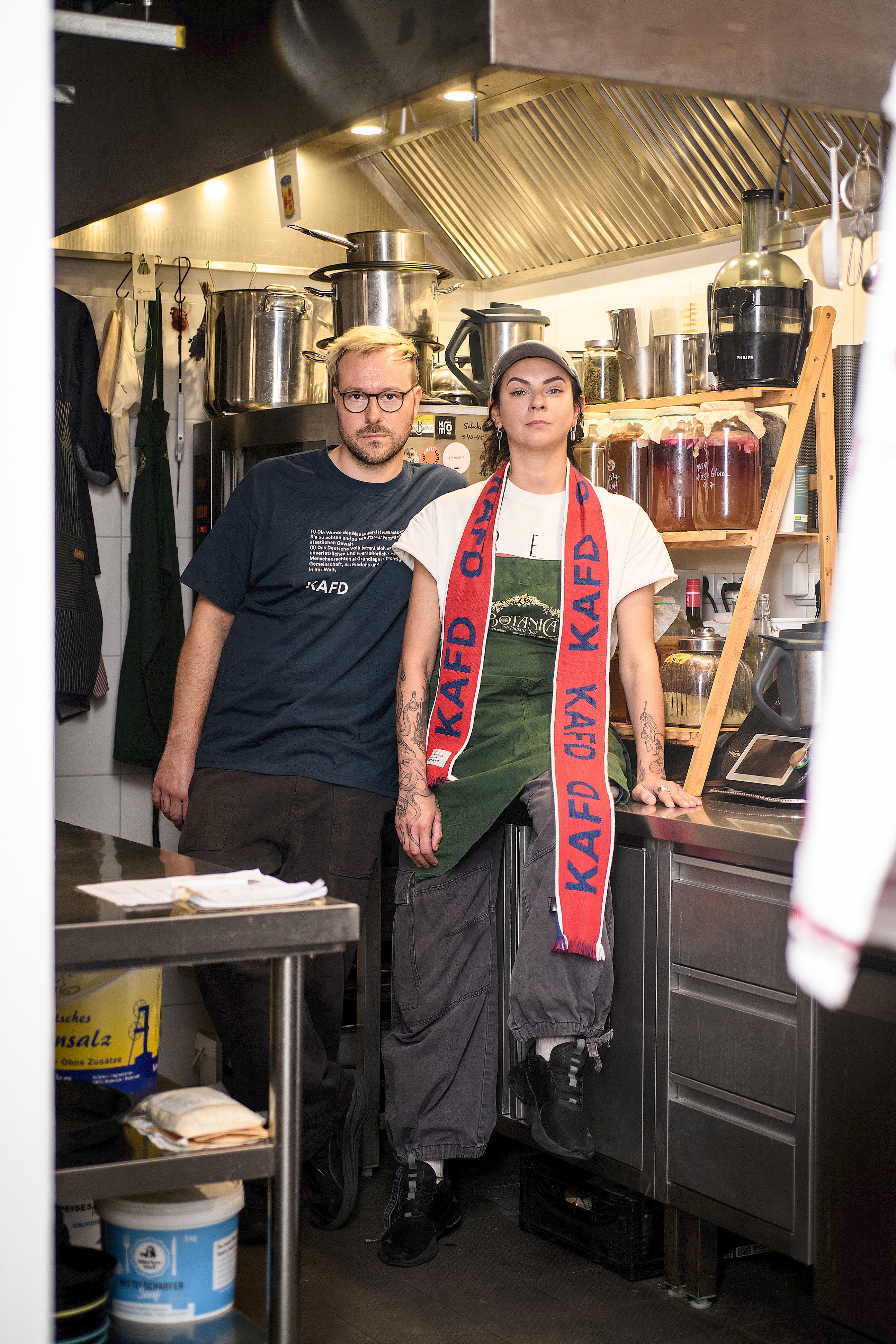
Julius Fritsch and Elena Gaidamacha are the owners of Botanica, a restaurant in the heart of Magdeburg's Old Town. Housed in a former butcher's shop with its original 1920s tiles, Botanica was established in 2018 as a place where plant-based cuisine takes center stage.
Our cooking is guided by the seasons, rooted in the region, and inspired by whatever nature has to offer at any given time. The menu is intentionally small and constantly evolving. Rather than following a particular culinary tradition, we let the ingredients speak for themselves.
Our drinks tell their own story as well. Natural wines, handcrafted spirits, and distinctive non-alcoholic pairings come from small producers or are made in-house. Kombucha, kvass, and other probiotic beverages have been among our signature specialties for many years.
Whatever the season provides is preserved by pickling, fermenting, canning, and other traditional methods. In this way, flavors are captured throughout the year and eventually find their way back onto the plate and into the glass.
Whenever possible, we work with farmers and producers from the surrounding region. We strive to waste as little as possible and make full use of every ingredient—not because it's a trend, but because it's simply how we believe food should be treated.
Right next door is the Botanica Culinary Studio, located in the former Kurt Salomon grocery store. From here, we create dinner events in extraordinary locations, host cooking and fermentation workshops, provide catering, and serve a small lunch menu. Whether in the Gruson Greenhouses or in the middle of a field alongside the farmers who grow our food, our aim is to reconnect people with the origins of what they eat.
www.botanica.madame-lulu.com
instagram.com/botanica_speiselokal
Photos © Michael Sans
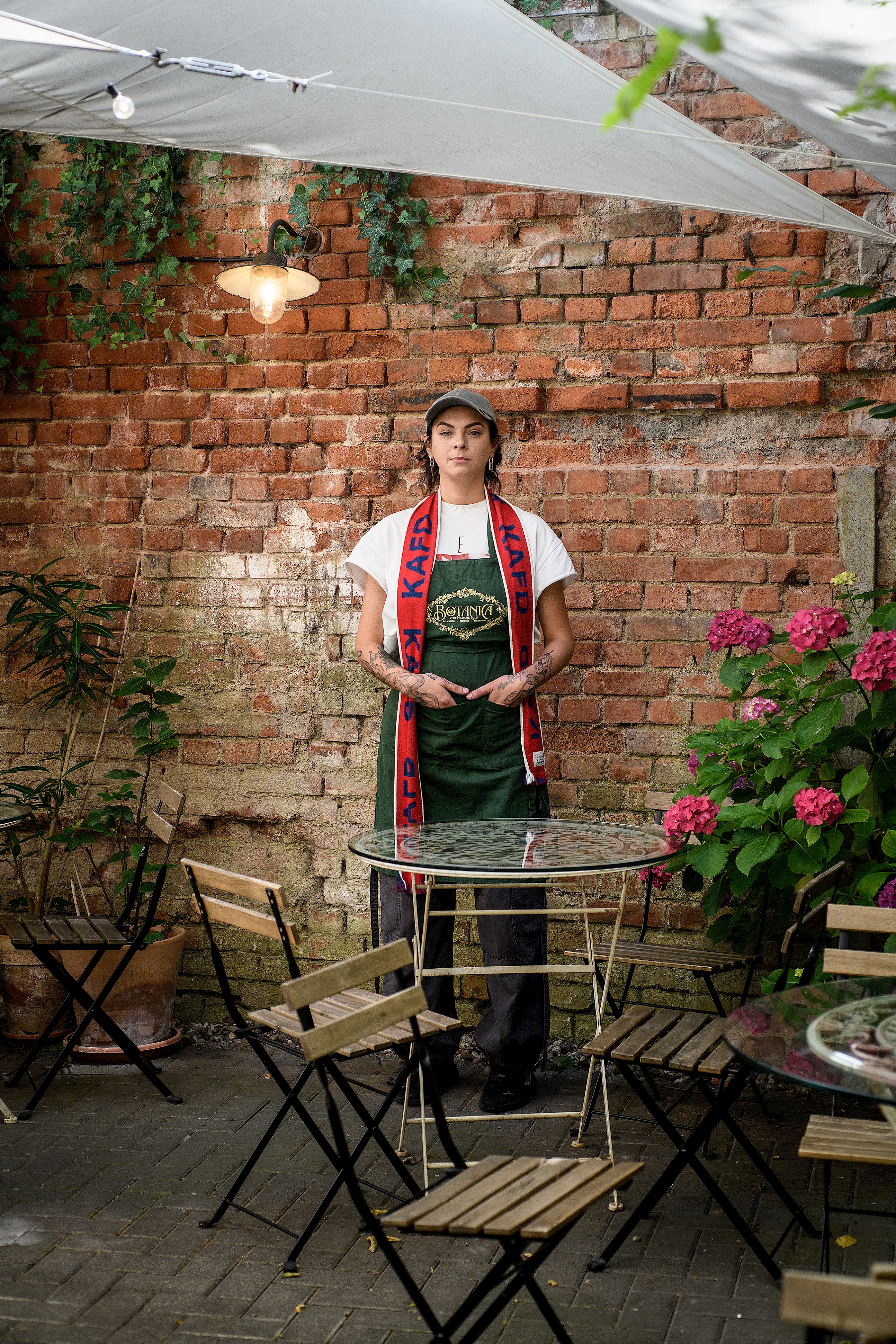
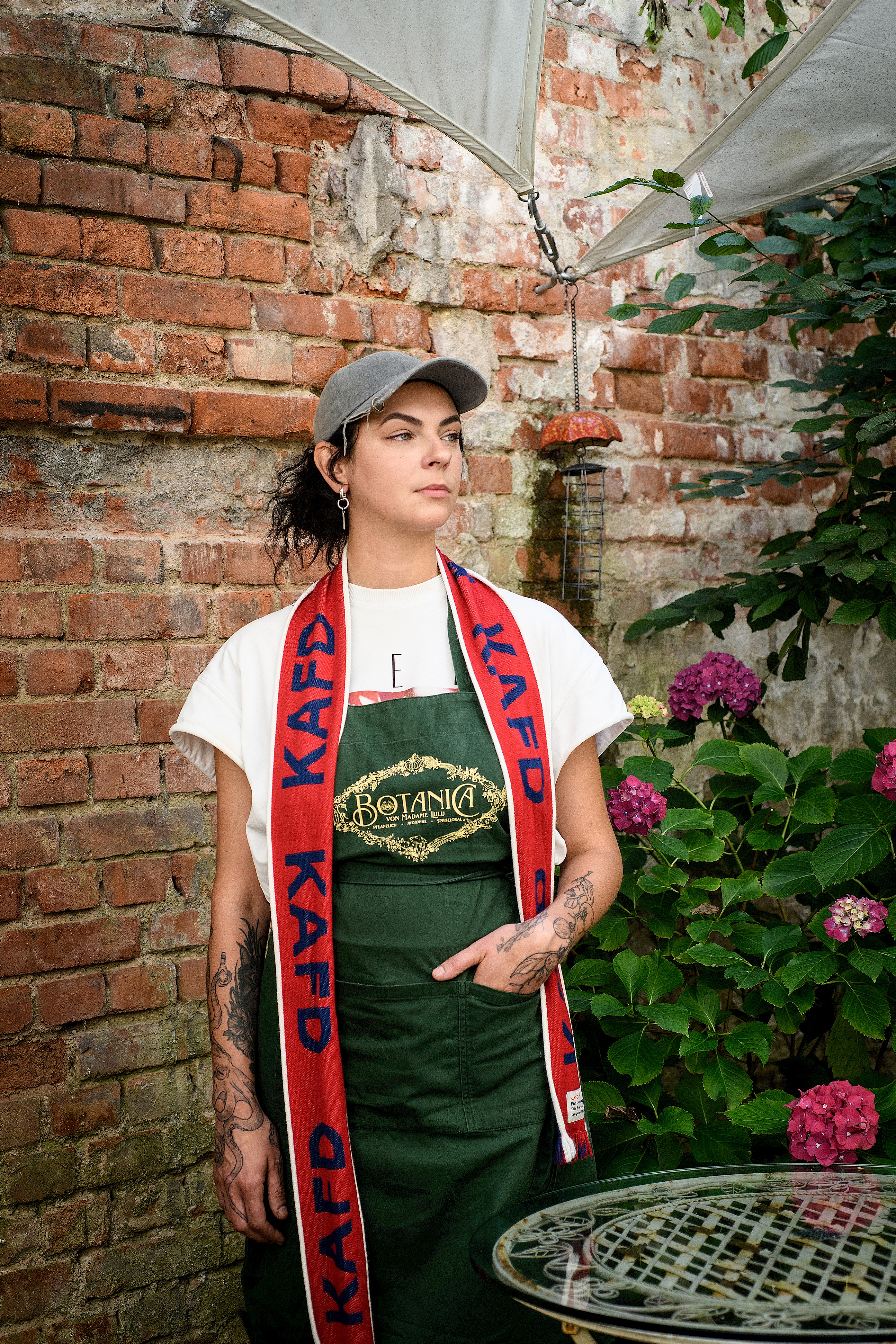
Bunte Wurzeln, buntes Denken.
Aufgewachsen in den wilden 90er Jahren in Kaliningrad und mit 13 Jahren nach Deutschland gekommen. Ein Land, das sich von allen Seiten gezeigt hat. Von den guten und den dunklen.
In ihrer Heimat hat Elena Gaidamacher von ihren selbstversorgenden Großeltern und Eltern das Kochen, Einwecken, Fermentieren, Anbauen und Wildsammeln lieben gelernt. Dort entstand die tiefe Verbundenheit zur Natur und zu allem, was auf natürliche Weise wächst und gedeiht.
Bis heute ist ihre größte Motivation, die Wege unserer Lebensmittel zu verstehen. Vom Wald und Wiese bis hin zu den vielen Händen regionaler Gärtnereien. Sie interessiert sich nicht nur für das fertige Gericht, sondern für den gesamten Prozess dahinter: das Wachsen, Ernten, Verarbeiten und Bewahren.
Lena beschäftigt sich mit Pflanzenkunde, essbaren Wildpflanzen, Blüten und Pilzen. Genauso begeistern sie Kunst, Töpferei, Design und Malerei. Alles, was mit Kreativität, Handwerk und dem Schönen im Leben zu tun hat.
Ihre Küche lebt von Neugier, Saisonalität und einem großen Respekt vor den Zutaten. Sie glaubt daran, dass oft die einfachen Dinge die größte Wirkung haben, wenn man ihnen Zeit und Aufmerksamkeit schenkt.
Durch viele Umwege und Stationen, über Festivals, Märkte, Caterings und Kooperationen, ist sie schließlich bei Botanica angekommen und hat sich verliebt. Botanica ist für sie ein Ort geworden, an dem sie ihre Liebe zur Natur, zum Handwerk und zur pflanzlichen Küche jeden Tag aufs Neue leben kann.
Colorful roots, colorful thinking.
Growing up in the wild ’90s in Kaliningrad, she moved to Germany at the age of 13—a country that revealed itself to her from every side, both the good and the dark.
Back home, Elena Gaidamacher learned to love cooking, preserving, fermenting, growing food, and foraging from her self-sufficient grandparents and parents. It was there that she developed her deep connection to nature and to everything that grows and thrives naturally.
To this day, her greatest motivation is understanding the journey our food takes—from forest and meadow to the many hands of regional growers. She is interested not only in the finished dish, but in the entire process behind it: growing, harvesting, processing, and preserving.
Lena is passionate about botany, edible wild plants, flowers, and mushrooms. She is equally inspired by art, pottery, design, and painting—by everything connected to creativity, craftsmanship, and the beauty of life.
Her cuisine is driven by curiosity, seasonality, and a deep respect for ingredients. She believes that the simplest things can often have the greatest impact when given time and attention.
After many detours and stops along the way—through festivals, markets, catering projects, and collaborations—she eventually found her way to Botanica and fell in love. For her, Botanica has become a place where she can live out her love of nature, craftsmanship, and plant-based cuisine every single day.
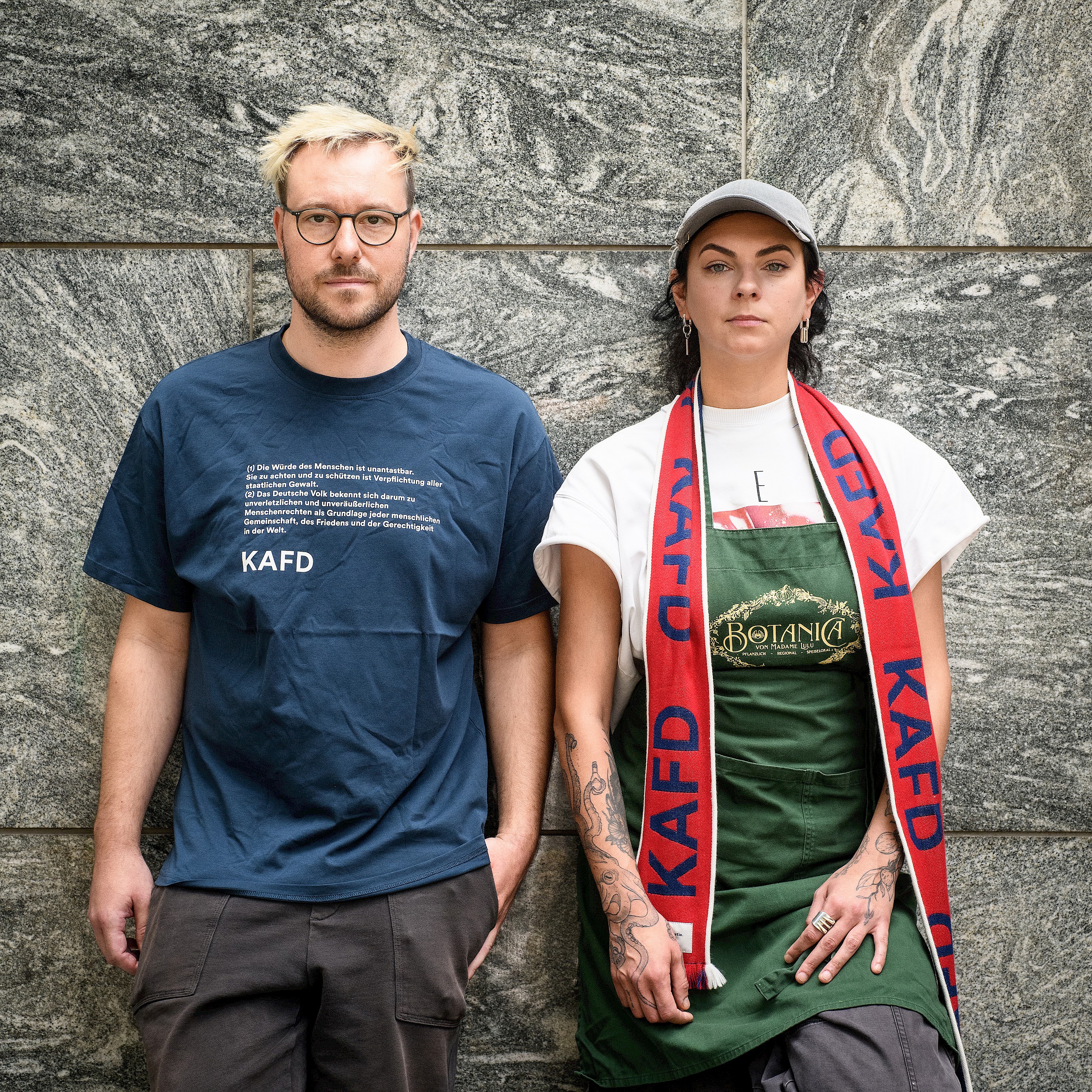
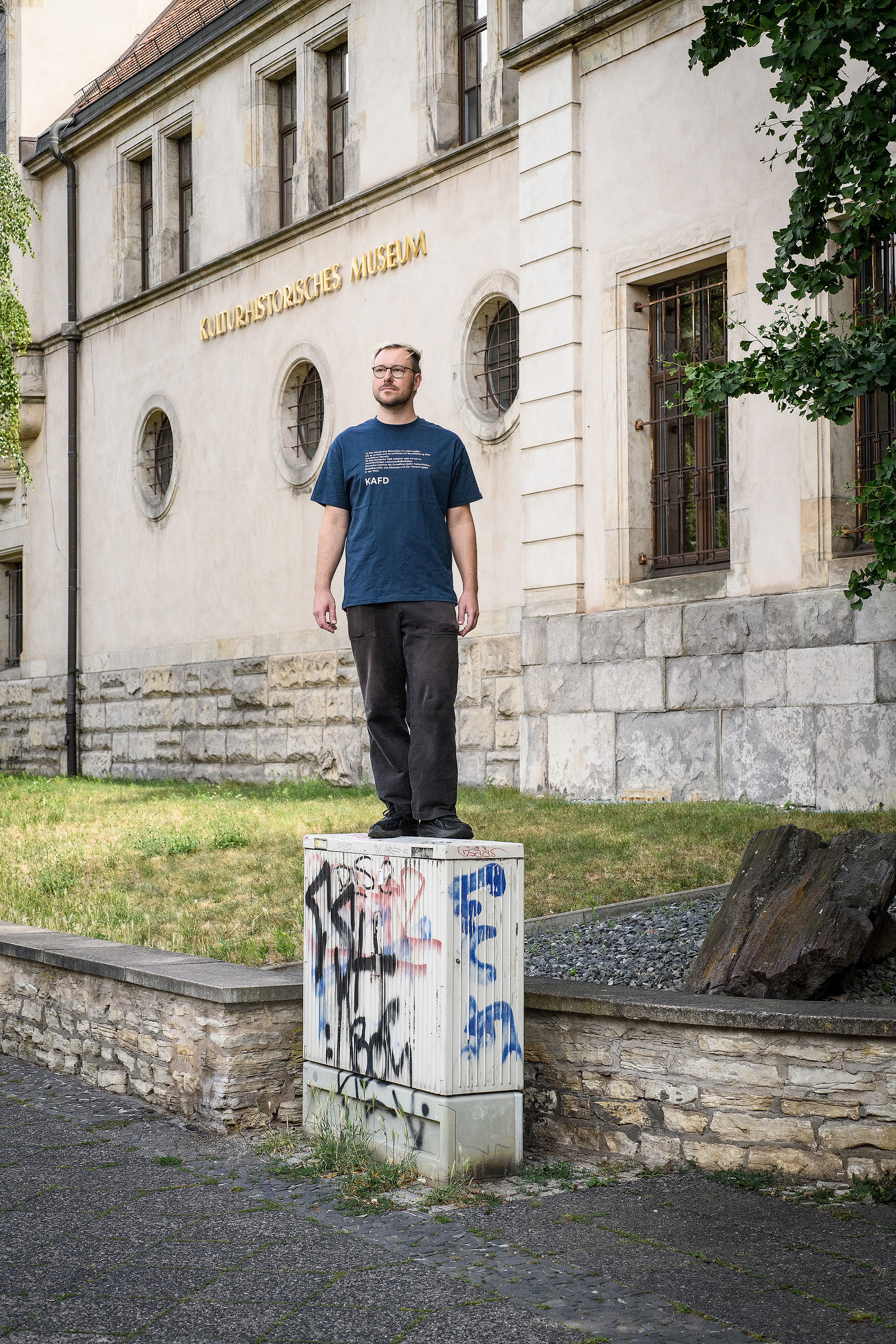
Julius Fritsch wurde in Magdeburg geboren und zeichnet sich vor allem durch seine Neugier und den Wunsch aus, ständig Neues zu lernen. Schon während der Schulzeit zeigte sich dieser Drang auf ungewöhnliche Weise: statt sich mit großer Begeisterung den Hausaufgaben zu widmen, brachte er sich das Jonglieren bei, vermutlich als kreative Form der Prokrastination. Obwohl die Schule für ihn selten ein Ort großer Begeisterung war, absolvierte Julius sein Abitur und begann anschließend ein Studium der Computervisualistik.
Besonders fasziniert ihn das Paretoprinzip. Die Idee, mit vergleichsweise geringem Aufwand einen Großteil eines Ergebnisses zu erzielen, prägt bis heute seine Herangehensweise. Sie motiviert ihn, immer wieder neue Themen zu erschließen und sich in unterschiedliche Bereiche einzuarbeiten.
Das Studium schloss Julius nicht ab, sondern entschied sich bewusst für einen anderen Weg: Gemeinsam mit Lena, seiner heutigen Frau, stieg er in die Gastronomie ein. Diese Entscheidung verdeutlicht seine Bereitschaft, Chancen zu ergreifen und neue Wege einzuschlagen.
Charakteristisch für Julius ist außerdem der ausgeprägte Wunsch, Abläufe zu optimieren und zu automatisieren. Häufig investiert er mehr Zeit in die Entwicklung einer effizienten Lösung, als für die eigentliche Aufgabe notwendig wäre. Für ihn steht dabei nicht nur das Ergebnis im Vordergrund, sondern auch die Freude daran, Prozesse zu verstehen, zu verbessern und langfristig effizienter zu gestalten.
Seine Kombination aus Neugier, analytischem Denken und pragmatischer Kreativität macht Julius zu einem Menschen, der Herausforderungen mit Begeisterung annimmt und in Veränderungen vor allem neue Möglichkeiten erkennt.
Julius Fritsch was born in Magdeburg and is above all characterized by his curiosity and his desire to constantly learn new things. Even during his school years, this drive manifested itself in an unusual way: instead of enthusiastically doing his homework, he taught himself how to juggle—presumably as a creative form of procrastination. Although school was rarely a place of great enthusiasm for him, Julius completed his Abitur and subsequently began studying Computer Visualization.
He is particularly fascinated by the Pareto Principle—the idea that a relatively small amount of effort can produce a large share of the result. This principle continues to shape his approach to this day. It motivates him to keep exploring new subjects and to immerse himself in a wide range of fields.
Julius did not complete his degree, instead consciously choosing a different path: together with Lena, his now-wife, he entered the hospitality industry. This decision reflects his willingness to seize opportunities and take new directions.
Another defining characteristic of Julius is his strong desire to optimize and automate processes. He often invests more time in developing an efficient solution than the task itself would actually require. For him, it is not just the result that matters, but also the enjoyment of understanding processes, improving them, and making them more efficient in the long term.
His combination of curiosity, analytical thinking, and pragmatic creativity makes Julius someone who embraces challenges with enthusiasm and sees change above all as an opportunity.