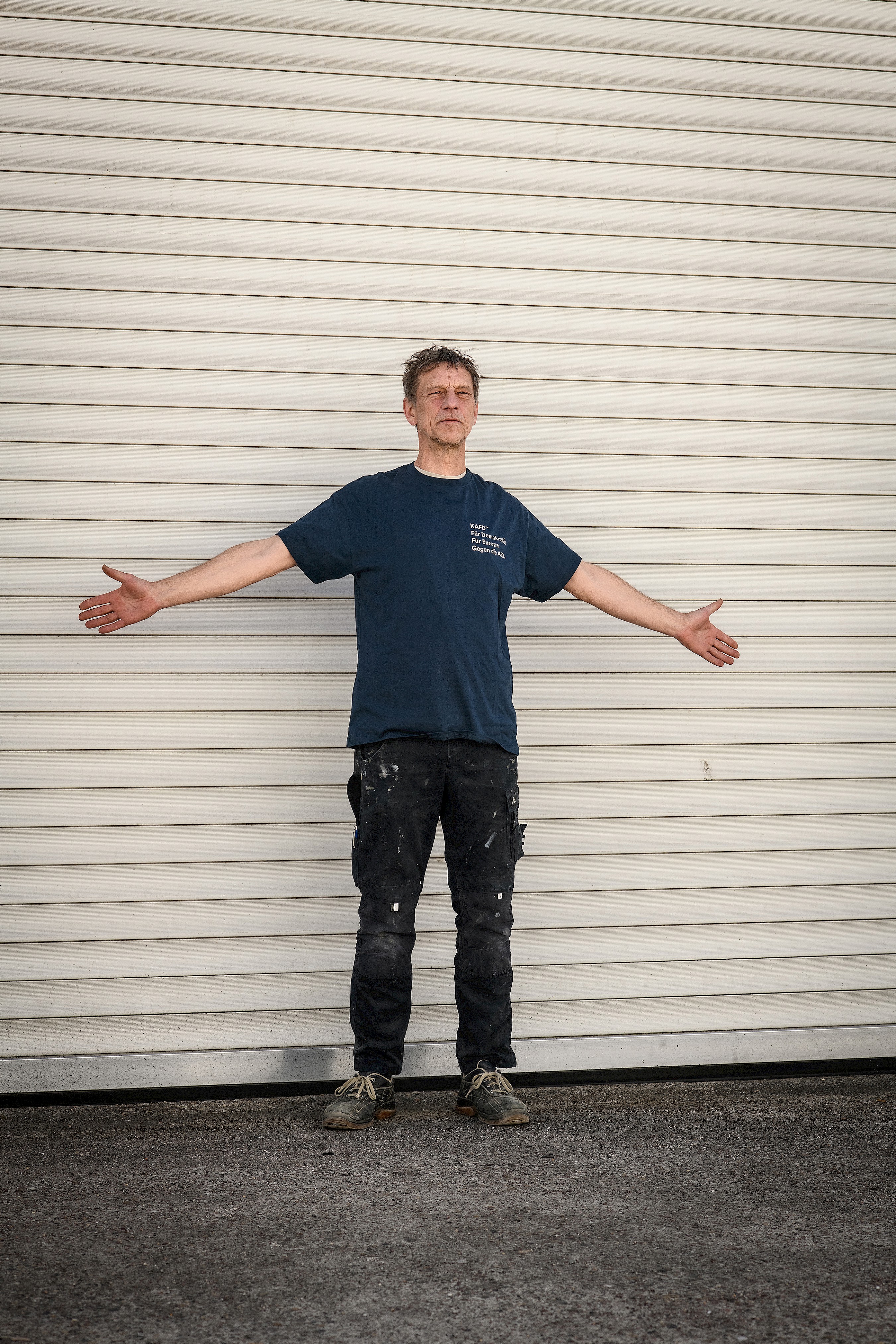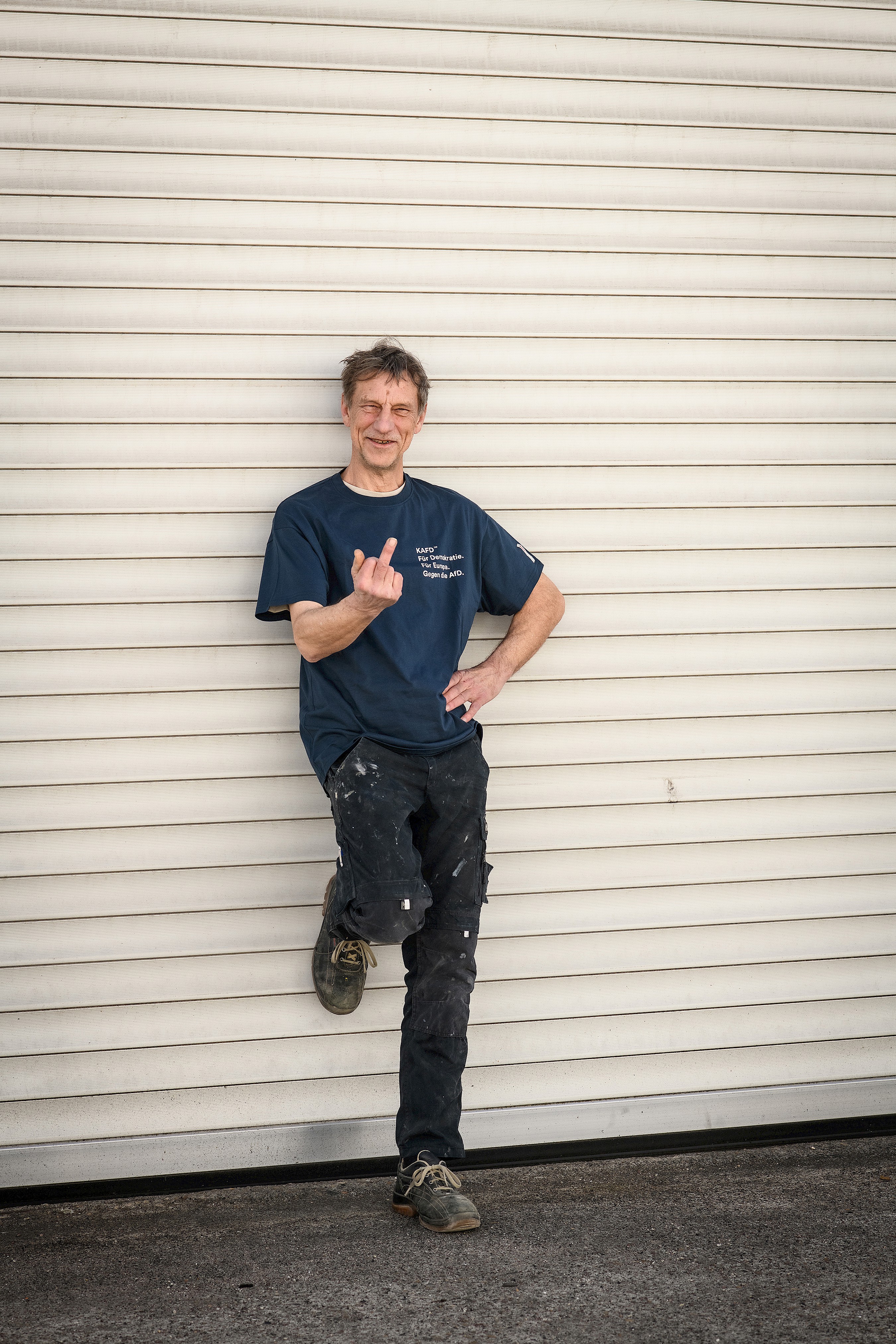


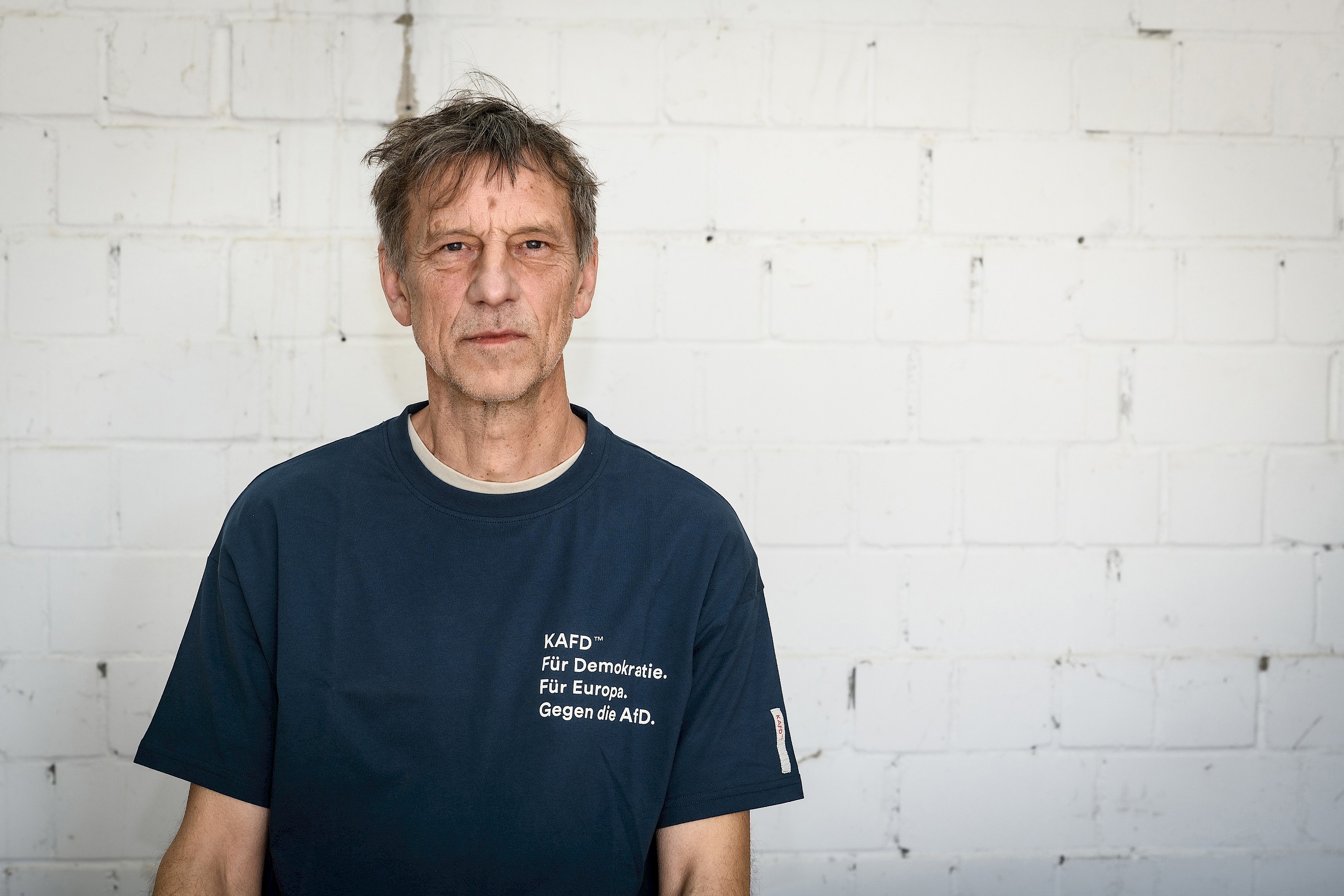
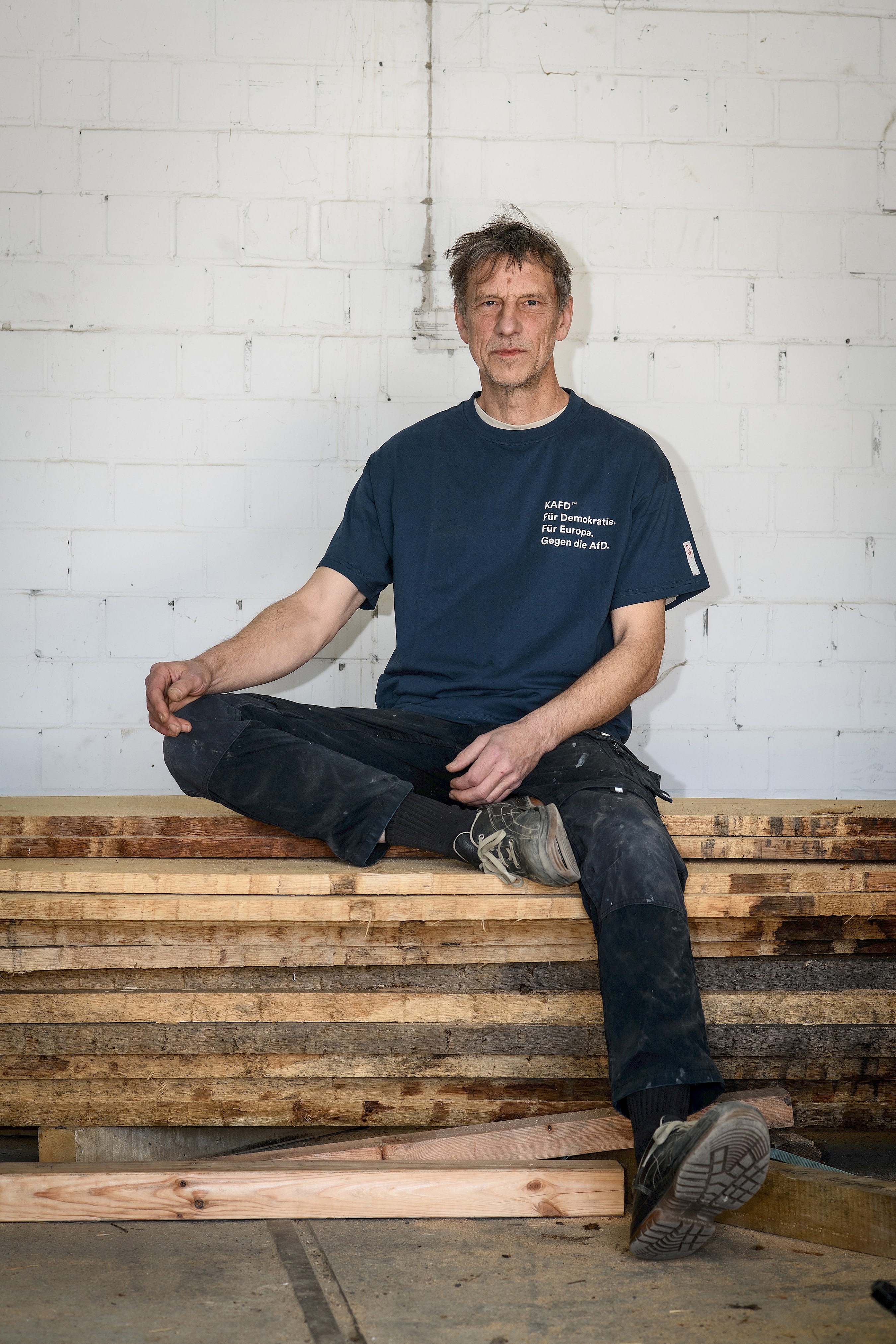
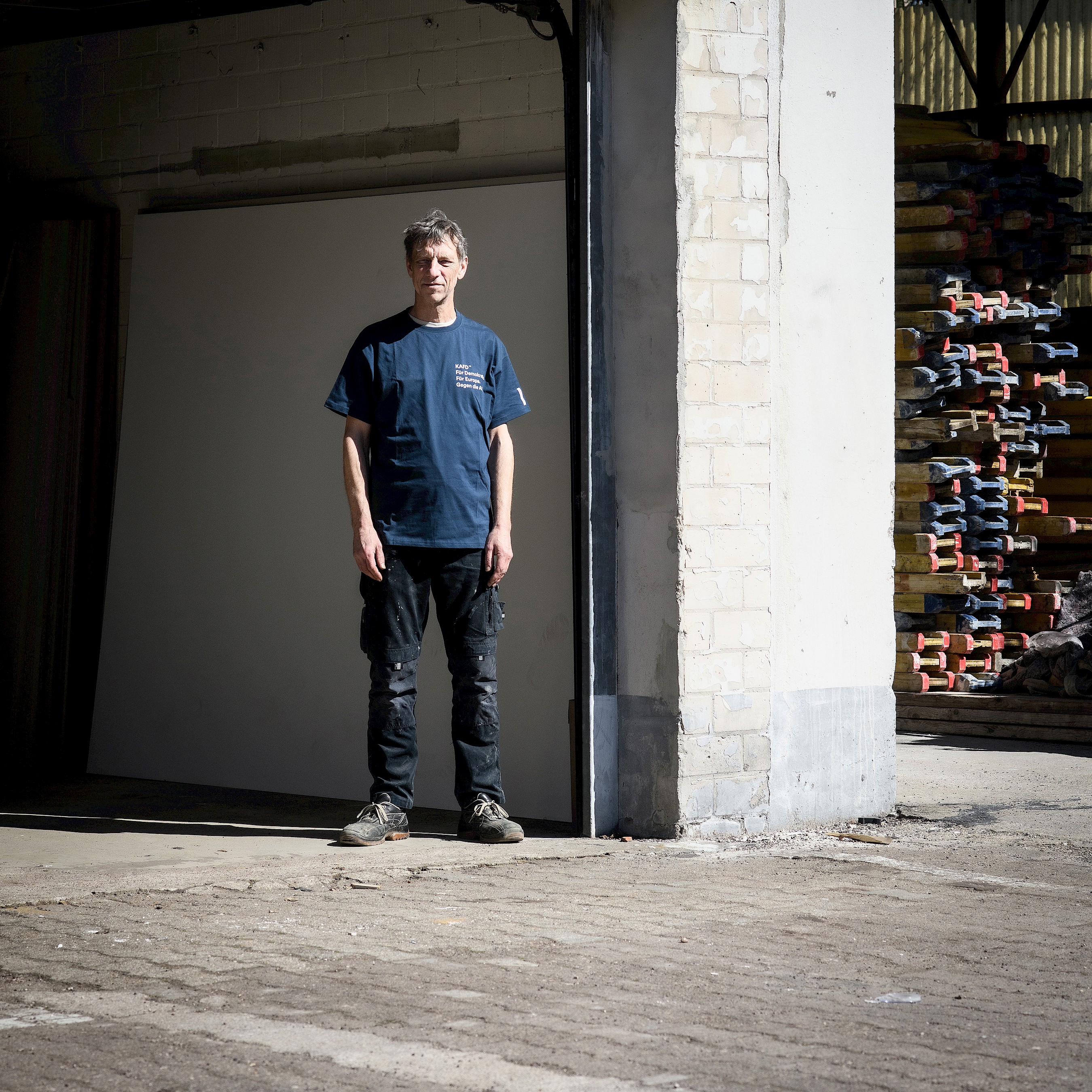
Johannes Migura, Tischlermeister
Michael Sans
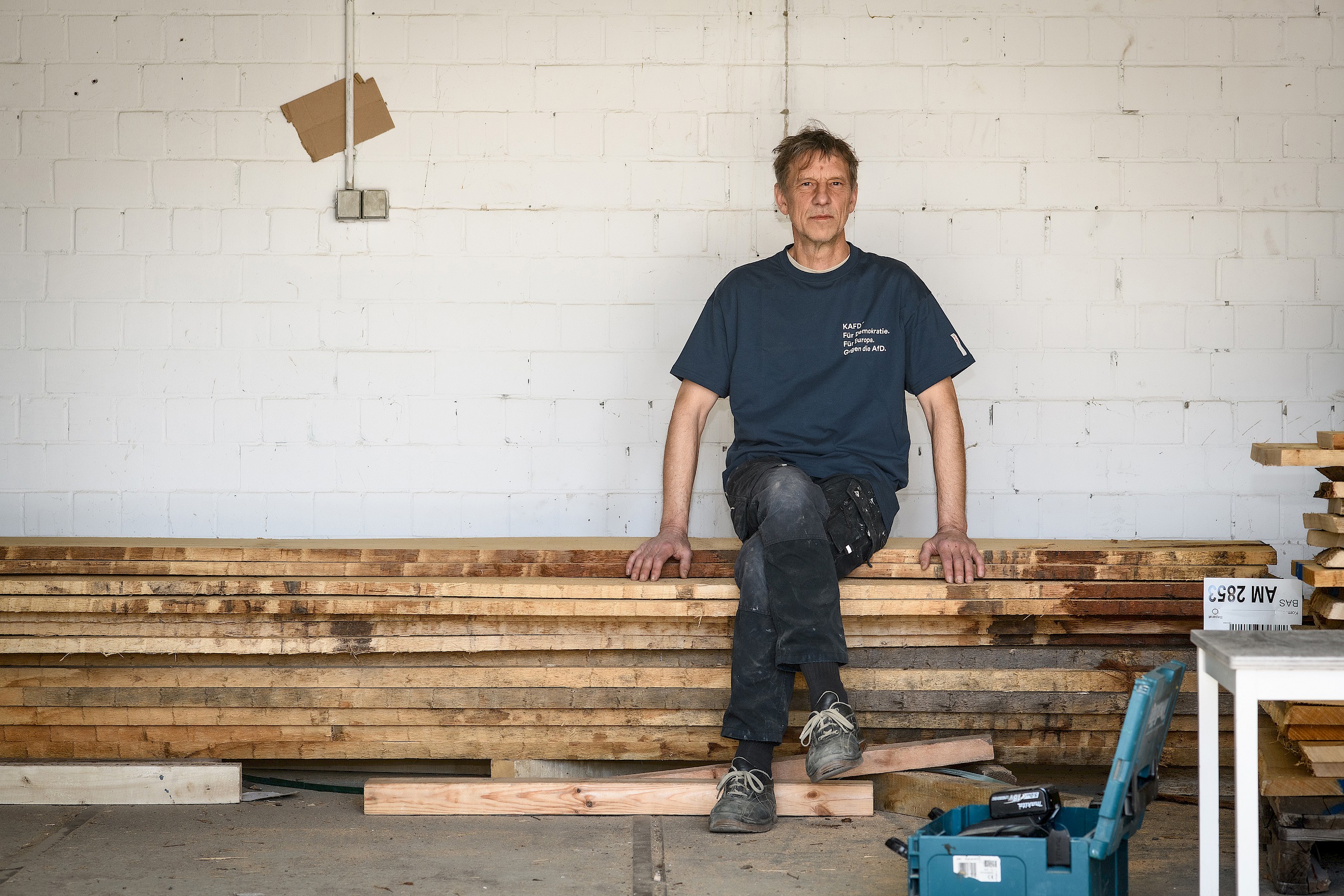
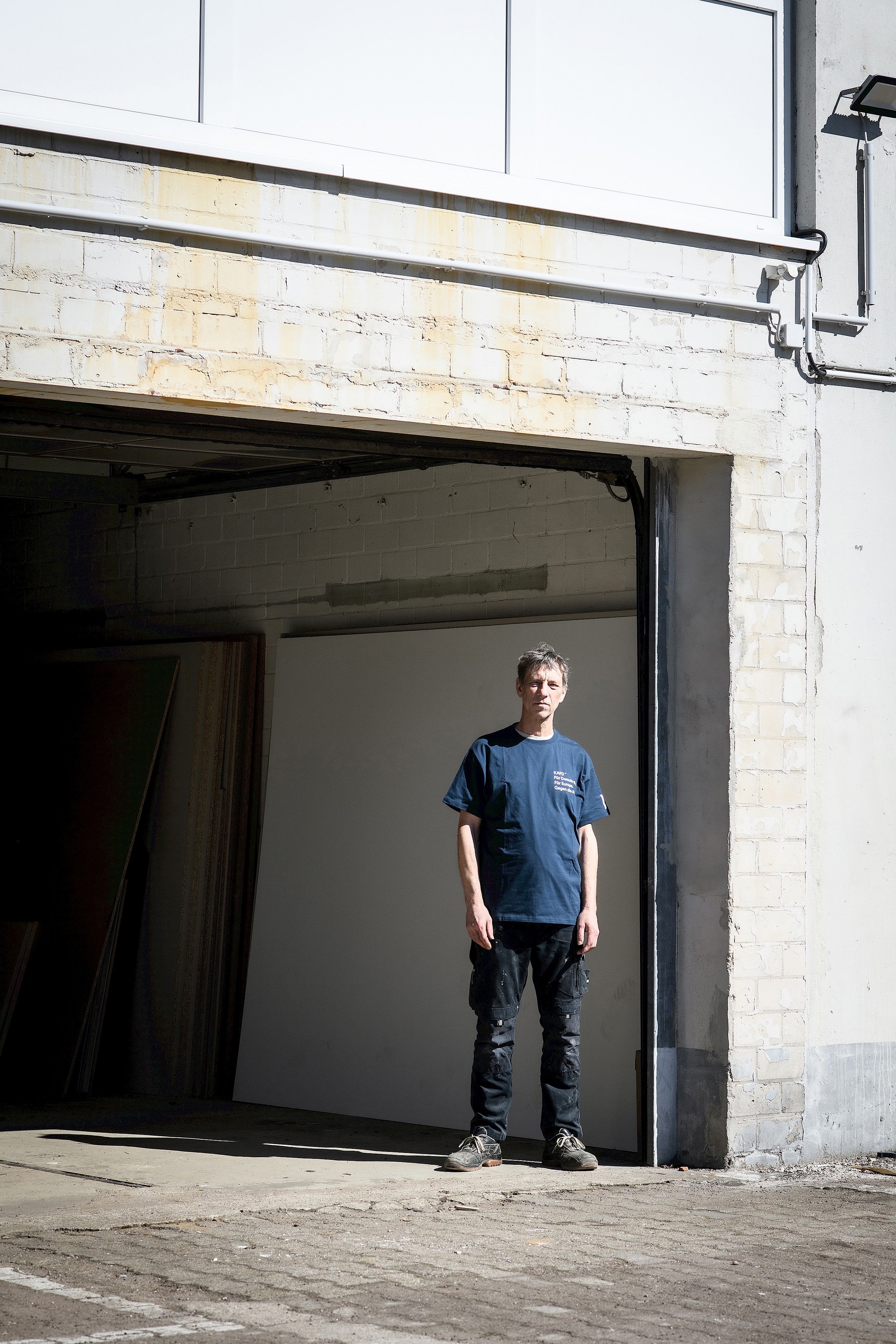
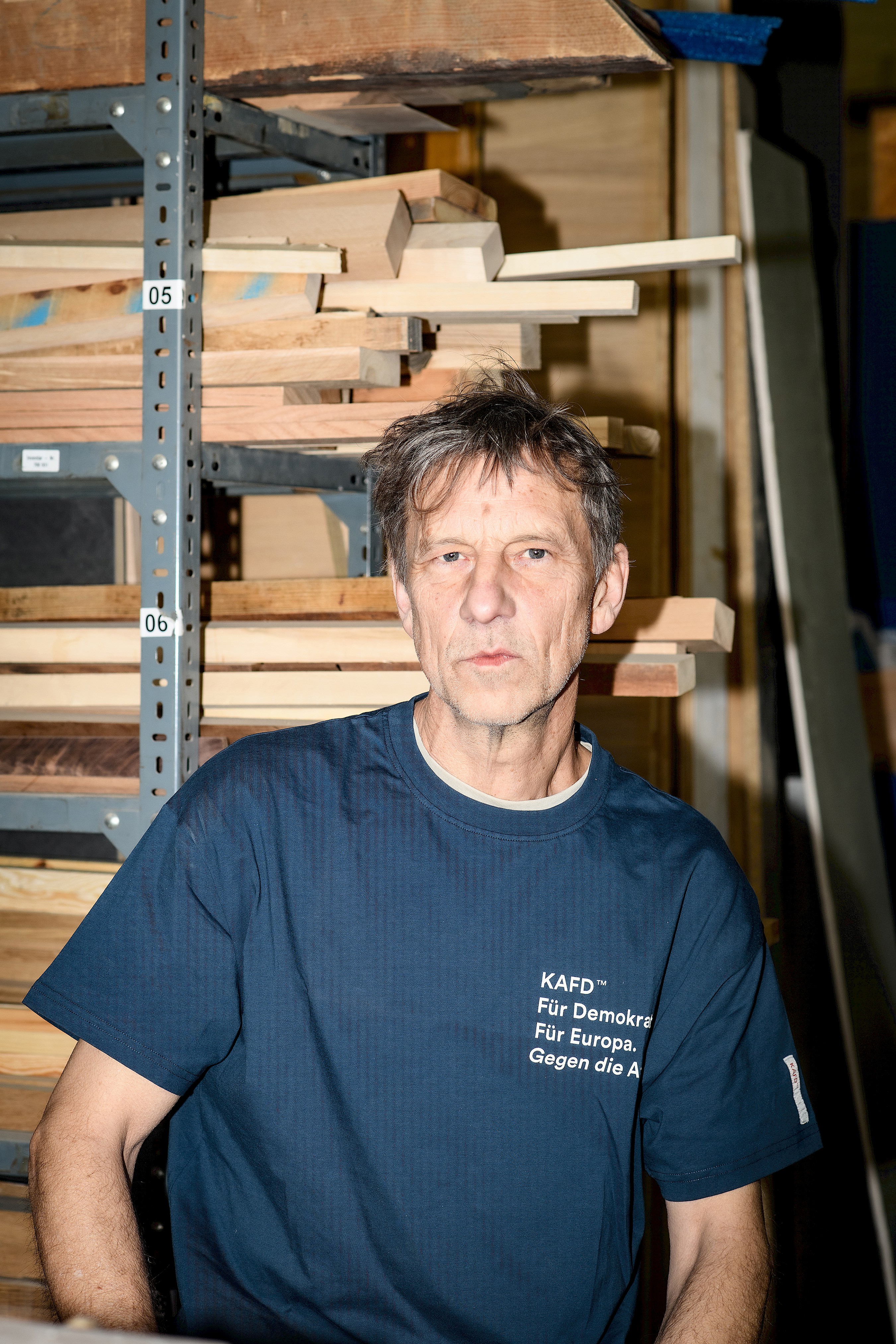
Johannes Migura:
"Geboren (1963) und aufgewachsen im damals noch sehr beschaulichen und katholischen Emsland, schenkte mir meine Mutter als gebürtige Emsländerin Bodenständigkeit und Verlässlichkeit, mein Vater als Kriegsflüchtling aus Schlesien Neugier und Aufbauwillen, meine vier älteren Geschwister Toleranz und Emphatie.
Meinen großen Hunger nach Horizonterweiterung stillte ich durch Bücher und dann vermehrt durch Reisen per Anhalter durch etliche europäische Länder.
Nach meinem Abi hatte ich folgende Pläne:
- Nicht dem Vorschlag meiner Eltern folgen, nämlich Lehrer zu werden und den Rest meines Lebens im Emsland in einem Einfamilienhaus zu verbringen.
- Eine Tischlerlehre machen, um nach 13 Jahren Schule endlich mal was Praktisches zu lernen.
- Physiker und Philosoph werden und die Welt retten (ja, schon damals war denkenden Menschen klar, dass unser Lebensstil ganz und gar nicht nachhaltig ist).
- In die weite Welt hinausziehen, andere Kulturen kennenlernen. gucken, was so passiert.
Plan 1: Umgesetzt.
Nein-Sagen ist bekanntlich nicht schwer.Plan 2: Umgesetzt.
Nach dem Motto: „Lehrjahre sind keine Herrenjahre“. Mein Meister war da gnadenlos. Glücklicherweise brauchte ich nur zwei statt drei Jahre machen wegen Abitur (haha, so ein Schwachsinn, eigentlich hätte ich deswegen eher ein Jahr länger machen müssen).Plan 3: Krachend gescheitert.
Schon in den ersten beiden Wochen im Physikstudium mußte ich erkennen, dass meine vermeintlich guten Mathekenntnisse überhaupt nicht ausreichend waren und ich in dem Hörsaal am ganz falschen Ort war.
Ach ja, die Welt gerettet habe ich offentsichtlich auch nicht. Habe meinen Anspruch runtergeschraubt und versuche im persönlichen und beruflichen Umfeld mein Bestes zu geben.
Bei Wahlen geb ich meine Stimme der richtigen (also der am wenigsten schlechten) Partei. Wesentliche Teile vom Wahlprogramm und vom Personal der AFD ordne ich in diesem Zusammenhang nicht als schlecht, sondern als sehr schlimm bis katastrophal ein.Plan 4: Work in progress.
Geographisch bin ich nach Lebensstationen in Hamburg, Berlin, La Palma (Kanarische Insel), Hildesheim, Lundazi (Sambia) und Leicester (England) seit 1999 in Berlin heimisch. Wird wohl auch so bleiben. Liebe diese Stadt.
Andere Kulturen mit ihren Menschen, Lebensweisen, Nahrung, etc. habe ich natürlich viele kennenlernen können. Für mich eine Riesenbereicherung und Quell folgender Erkenntnisse, die mich dummen Kerl ziemlich überrascht haben:
• Selbst im abgelegensten Ort ganz weit weg finde ich Menschen, die zu mir passen und die beste Freunde werden.
• Die Quote von mir symphatischen zu unsymphatischen Leuten ist überall ähnlich.
• Mein Heimatland, also Deutschland, hat mehr positive Seiten als mir vorher bewußt war.
• Ich bin so froh, dass es neben der Emsländer Hausmannskost (nichts gegen Kartoffeln) viele viele leckere Sachen zu Essen gibt.Beruflich habe ich jeweils langjährige Erfahrungen als Gelegenheitsarbeiter, als Tischlergeselle, als Co-Leiter einer Berufschule in der sambischen Provinz, als Projektmanager der kanadischen Botschaft und als Entwickler und Betreiber des gemeinnützigen „Pfefferbett“ Hostels sammeln können.
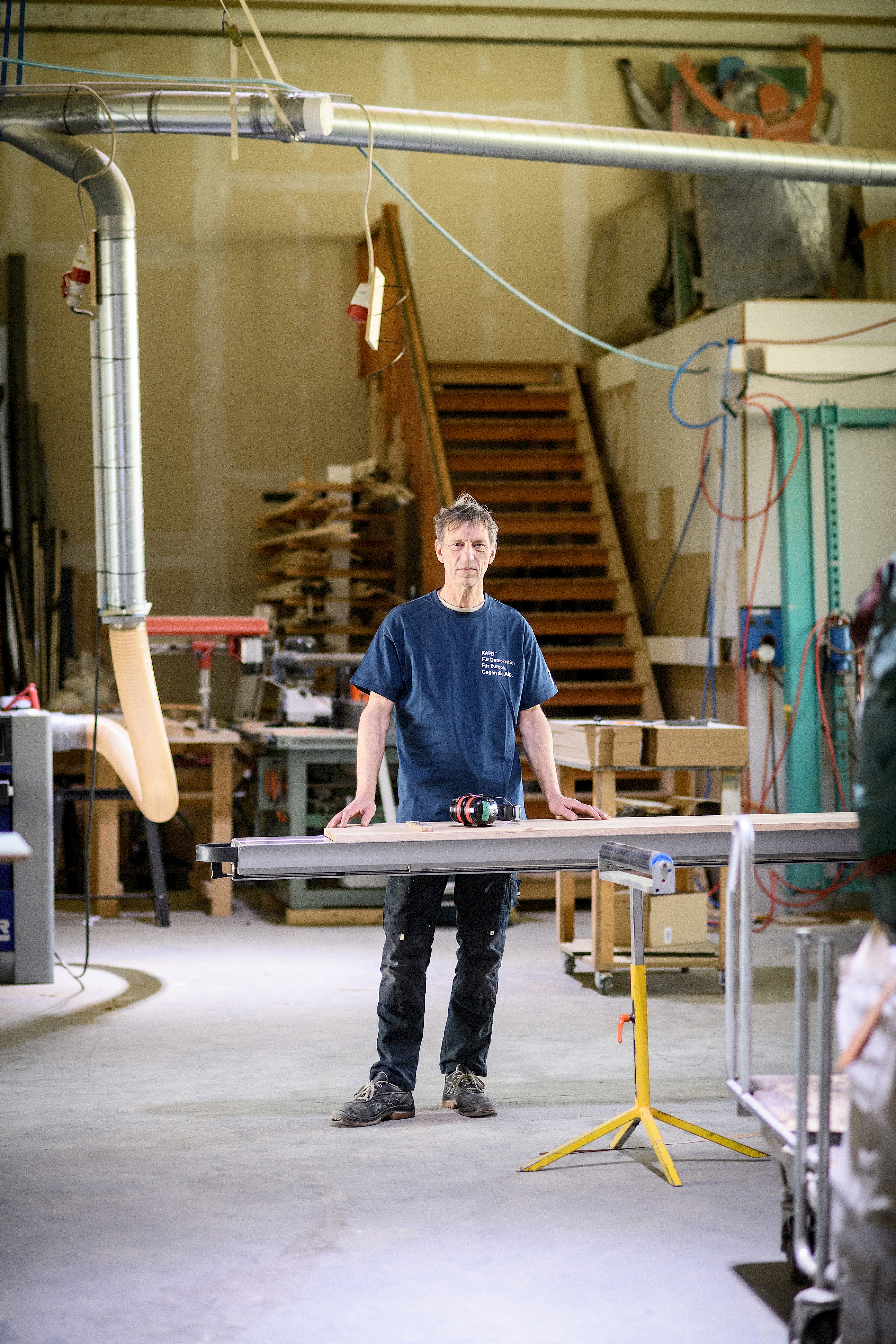
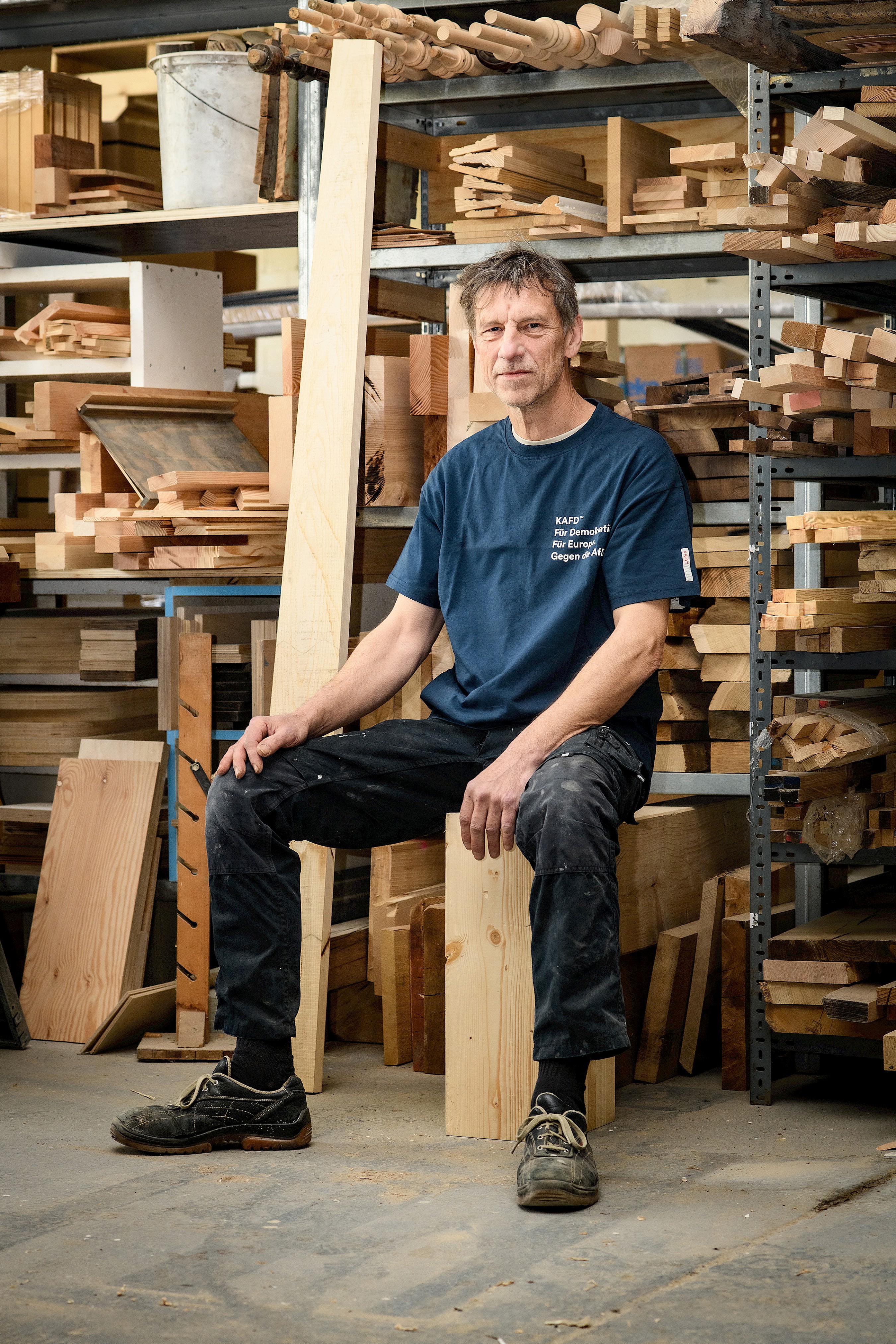
Seit 2012 betreibe ich eine kleine aber feine Tischlerei. Wir schaffen individuelle Möbel und Konstruktionen mit Augenmerk auf Qualität, Langlebigkeit und Schönheit des Holzes. Gerne reparieren wir auch (oder bauen stilecht nach) Türen und Fenster aus der Berliner Gründerzeit. Die sind über hundert Jahre alt und, richtig behandelt, werden auch nach weiteren hundert Jahren sehr gut funktionieren und dabei gut aussehen.
Untypisch für eine Tischlerei, betreuen und bewegen wir seit Jahren die Wanderausstellung „Zwischen Erfolg und Verfolgung – Jüdische Stars im deutschen Sport bis 1933 und danach“, die den großen Anteil jüdischer Athletinnen und Athleten an der Entwicklung des modernen Sports in Deutschland würdigt.
Auch wenn diese Ausstellung nur das Schicksal von wenigen Menschen darstellt, zeigt sie eindringlich und anschaulich, was passiert ist, als sich in Deutschland Ausgrenzung und Faschismus ausbreitete.Hier noch ein Test, um herauszufinden, ob Deine Mission im Leben erfüllt ist oder nicht:
Solange Du lebst, ist sie es nicht."
johannes.migura@web.de
www.juedische-sportstars.de
Fotos © Michael Sans
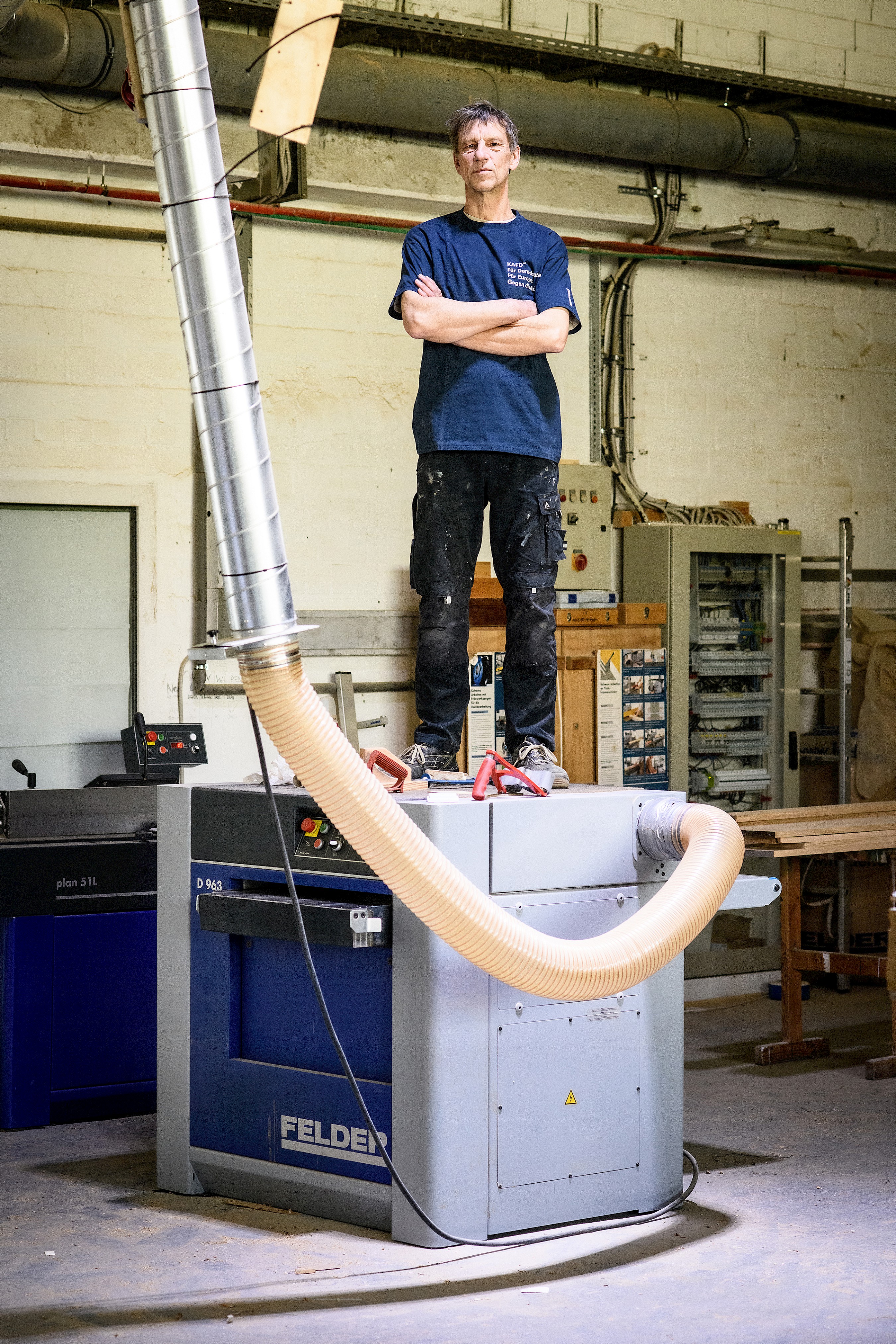
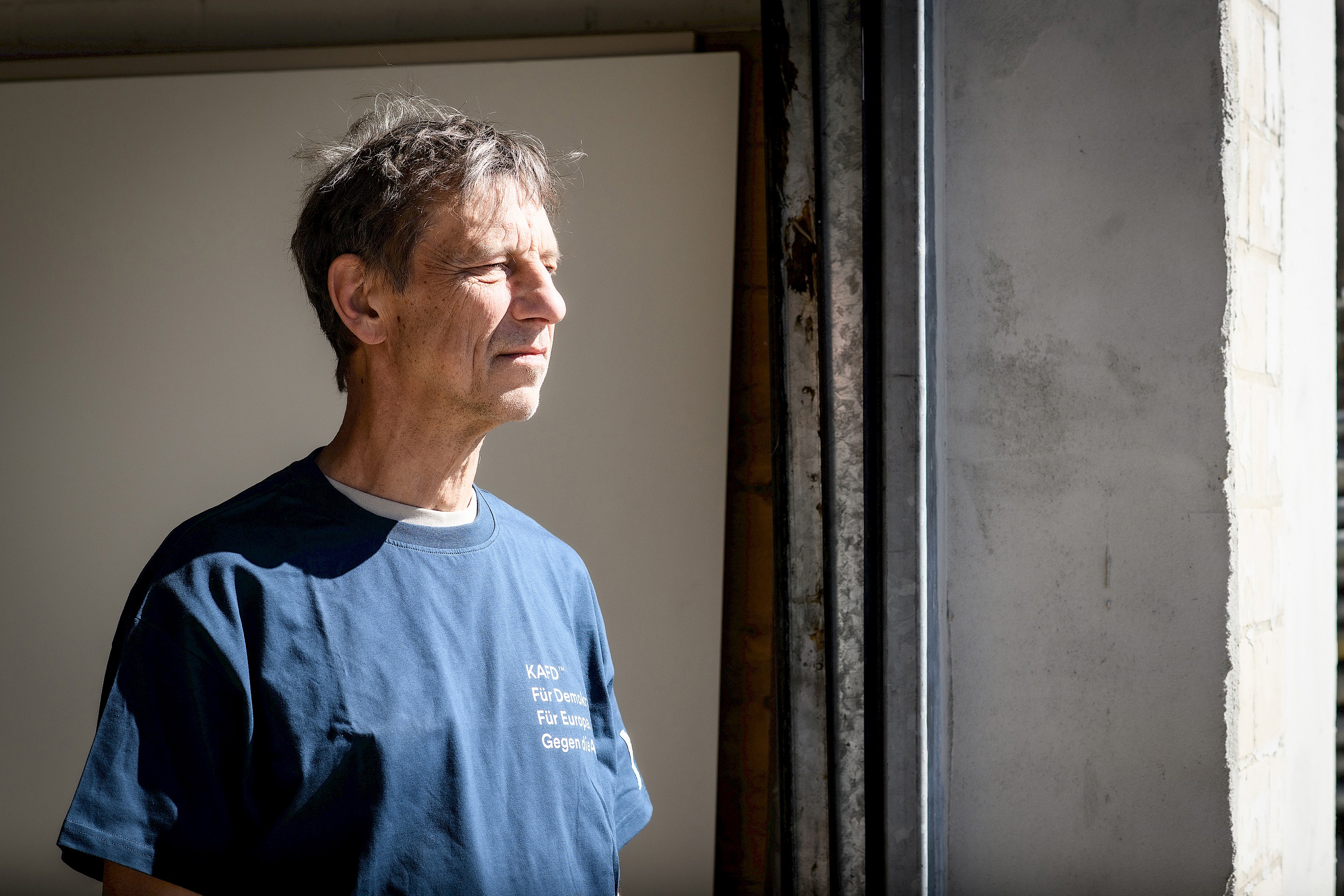
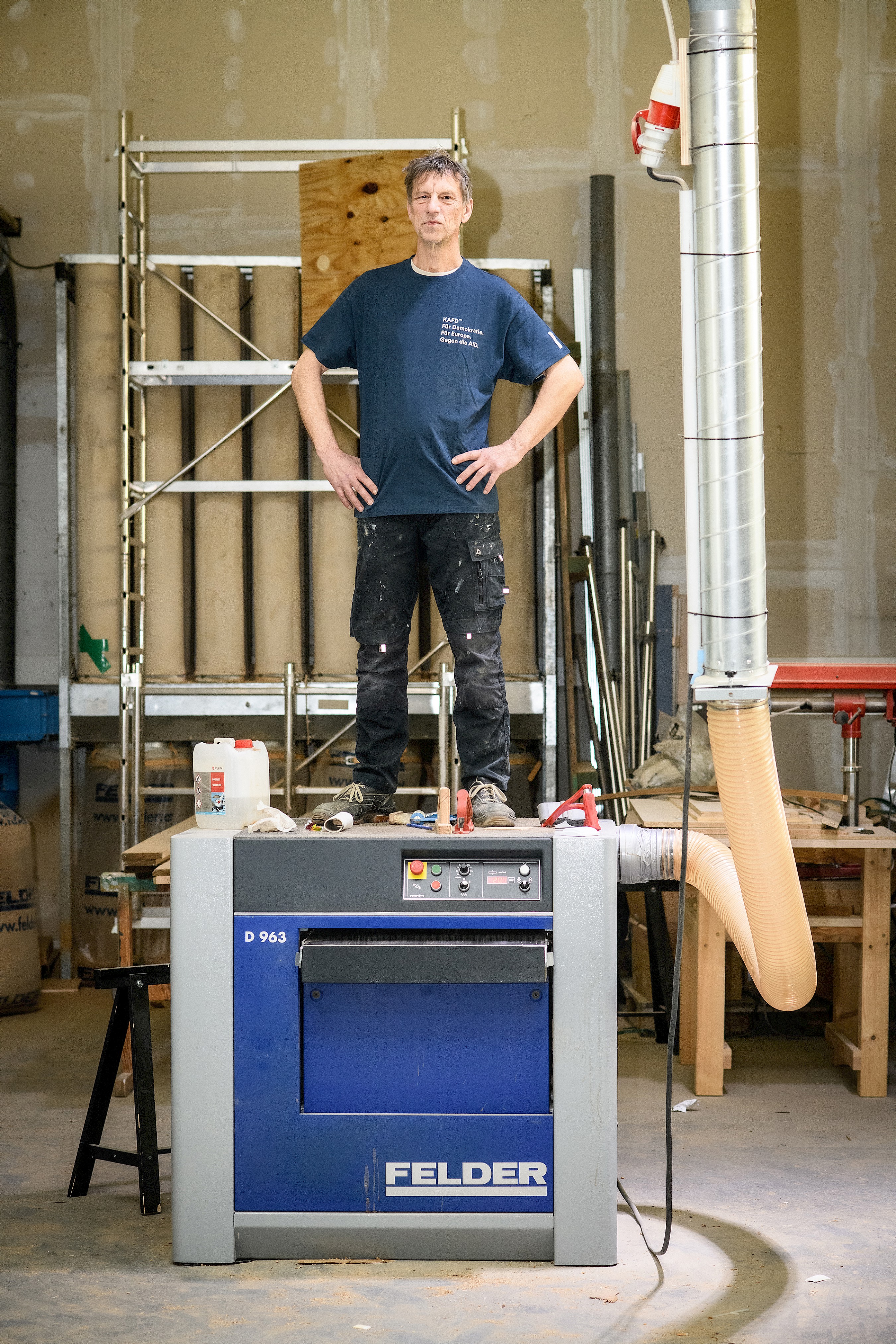
Johannes Migura:
Born in 1963 and raised in what was then the still very quiet and deeply Catholic Emsland region, I inherited down-to-earth values and reliability from my mother, a native of Emsland, while my father, a war refugee from Silesia, passed on to me a sense of curiosity and a determination to build something new. My four older siblings taught me tolerance and empathy.
I satisfied my great hunger for broadening my horizons first through books and later increasingly through hitchhiking journeys across numerous European countries.
After graduating from high school, I had the following plans:
No 1: Not to follow my parents' suggestion of becoming a teacher and spending the rest of my life in a detached house in Emsland.
No 2: To train as a carpenter so that, after 13 years of school, I could finally learn something practical.
No 3:To become a physicist and philosopher and save the world (yes, even back then it was already clear to thoughtful people that our way of life was anything but sustainable).
No 4: To set off into the wider world, get to know other cultures, and see what would happen.
Plan 1: Accomplished.
As everyone knows, saying "no" is not particularly difficult.
Plan 2: Accomplished.
Following the old saying, "Apprenticeship years are no gentleman's years." My master craftsman took that very seriously. Fortunately, because I had completed high school, I only had to do two years instead of three (which is rather absurd—if anything, I should have needed an extra year because of it).
Plan 3: Failed spectacularly.
Within the first two weeks of studying physics, I realized that my supposedly good mathematics skills were nowhere near sufficient and that I was completely out of place in that lecture hall.
And no, as you may have noticed, I did not save the world either. I've lowered my ambitions somewhat and now try to do my best in both my personal and professional life.
In elections, I vote for the right party—or rather, the least bad one. In this context, I regard significant parts of the AfD's program and personnel not merely as bad, but as very troubling to catastrophic.
Plan 4: Work in progress.
Geographically speaking, after living in Hamburg, Berlin, La Palma (Canary Islands), Hildesheim, Lundazi (Zambia), and Leicester (England), I have felt at home in Berlin since 1999. That will probably remain the case. I love this city.
Of course, I have had the opportunity to get to know many other cultures, along with their people, ways of life, food, and customs. This has been an enormous enrichment in my life and the source of several insights that surprised me quite a bit:
Even in the most remote places far from home, I find people who are a good match for me and who can become close friends.
The ratio of people I like to people I don't like is remarkably similar everywhere.
My home country, Germany, has more positive aspects than I had previously realized.
I am very glad that, alongside the traditional cooking of Emsland (nothing against potatoes), there are countless delicious things to eat.
Professionally, I have accumulated many years of experience as a casual laborer, a journeyman carpenter, co-director of a vocational school in rural Zambia, project manager for the Canadian Embassy, and developer and operator of the non-profit Pfefferbett Hostel.
Since 2012, I have been running a small but excellent carpentry workshop. We create custom furniture and structures with a focus on quality, durability, and the natural beauty of wood. We are also happy to repair—or faithfully recreate—doors and windows from Berlin's Gründerzeit era. They are more than a hundred years old and, when treated properly, will still function beautifully and look great another hundred years from now.
Somewhat unusually for a carpentry business, we have for many years supported and transported the traveling exhibition „Between success and persecution: Jewish Stars in German Sports till 1933 and beyond“. The exhibition honors the major contribution of Jewish athletes to the development of modern sport in Germany.
Although the exhibition tells the stories of only a small number of individuals, it vividly and powerfully illustrates what happened when exclusion and fascism spread throughout Germany.
And finally, here is a test to determine whether you have fulfilled your mission in life:
As long as you are alive, you have not.
johannes.migura@web.de
www.juedische-sportstars.de
Photos © Michael Sans
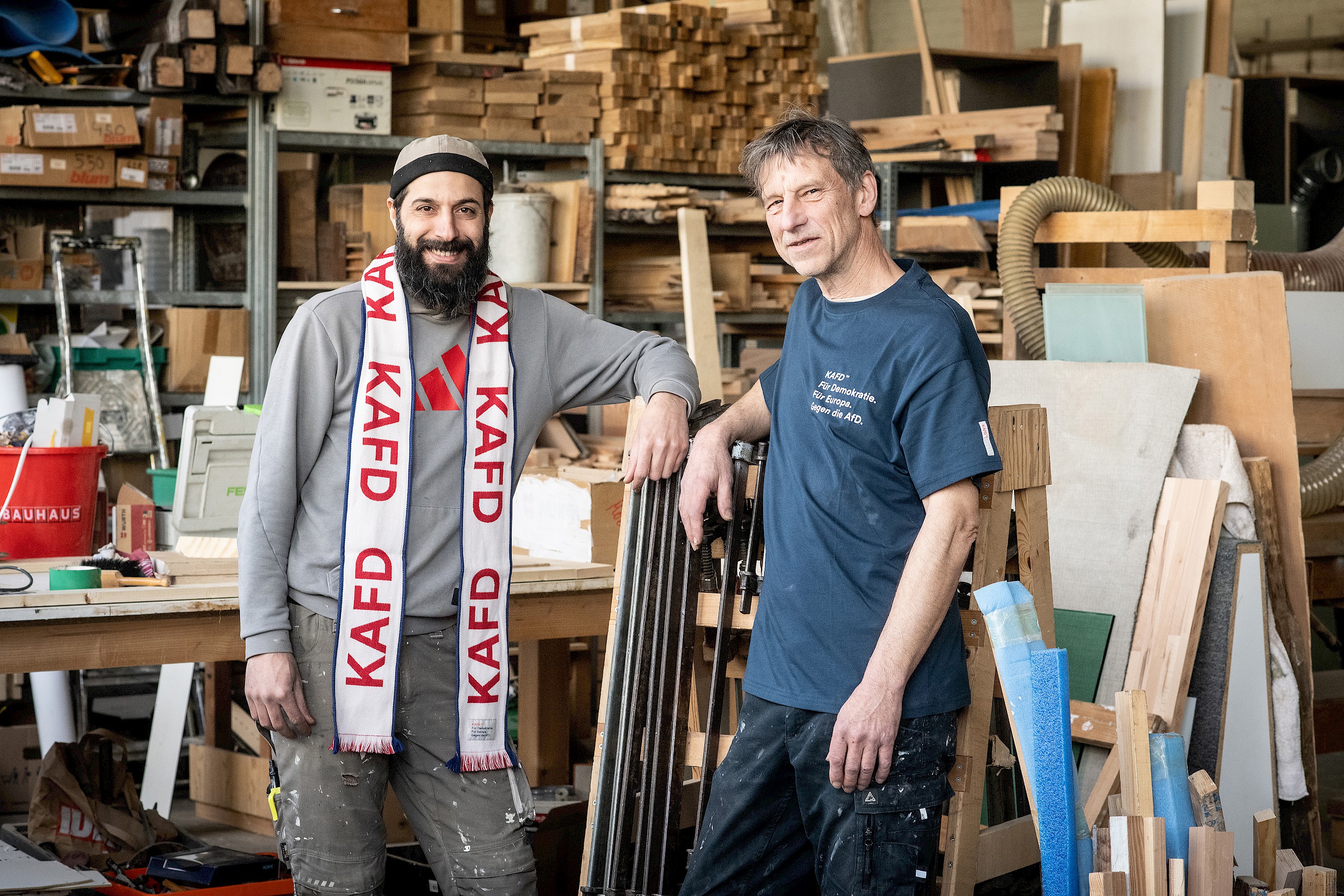
Johannes mit Mohammed Ghasemizadeh, der auch Tischler ist.