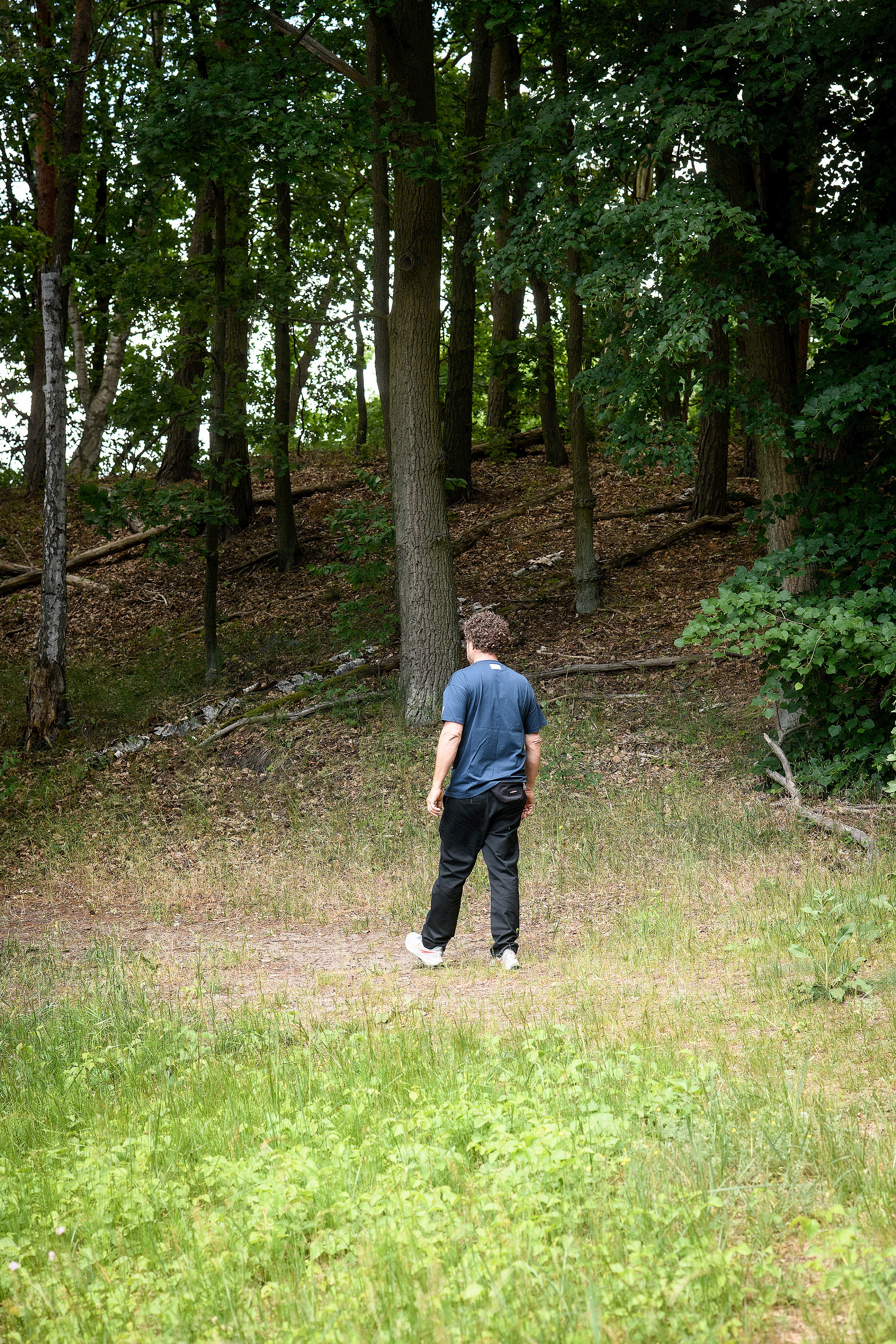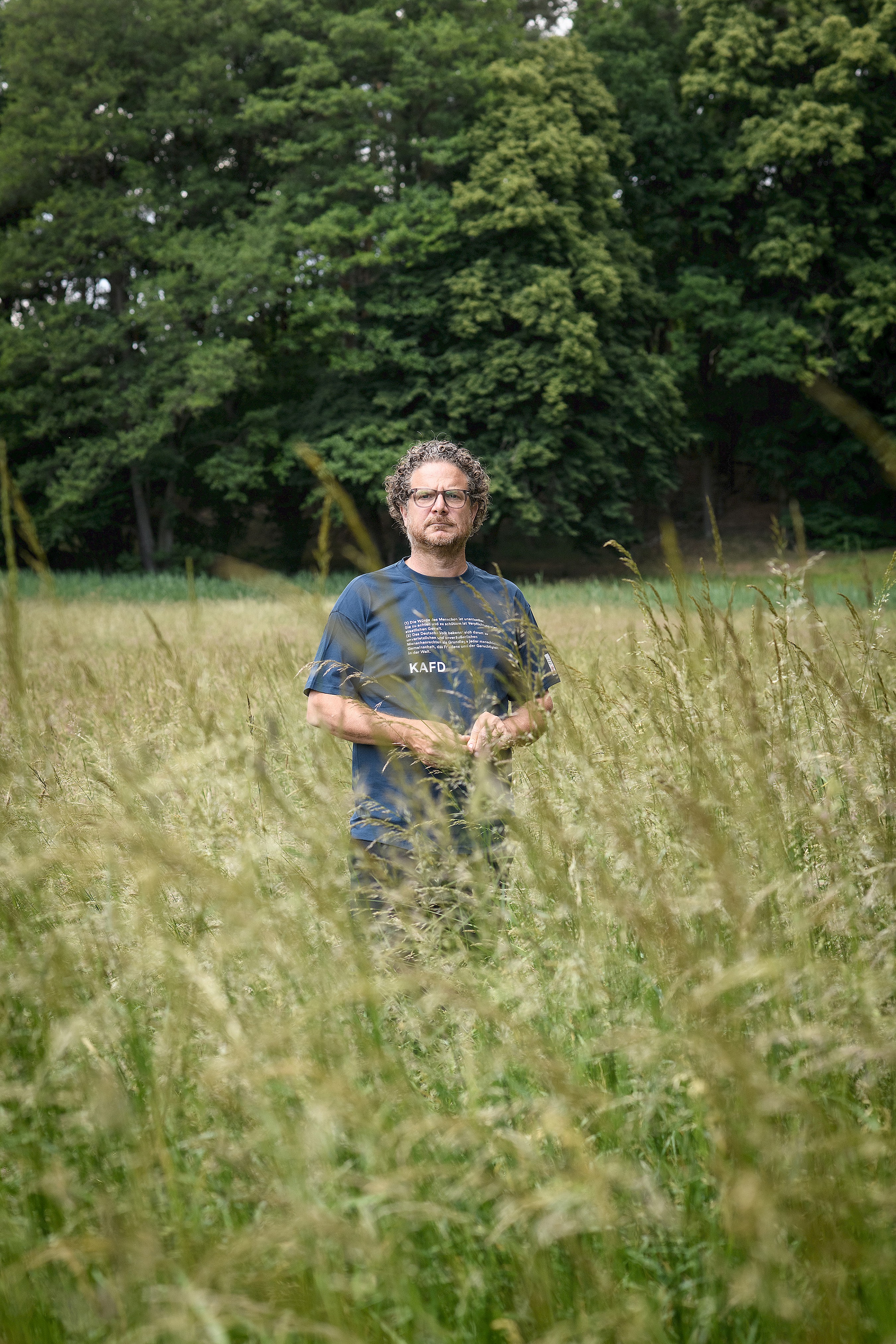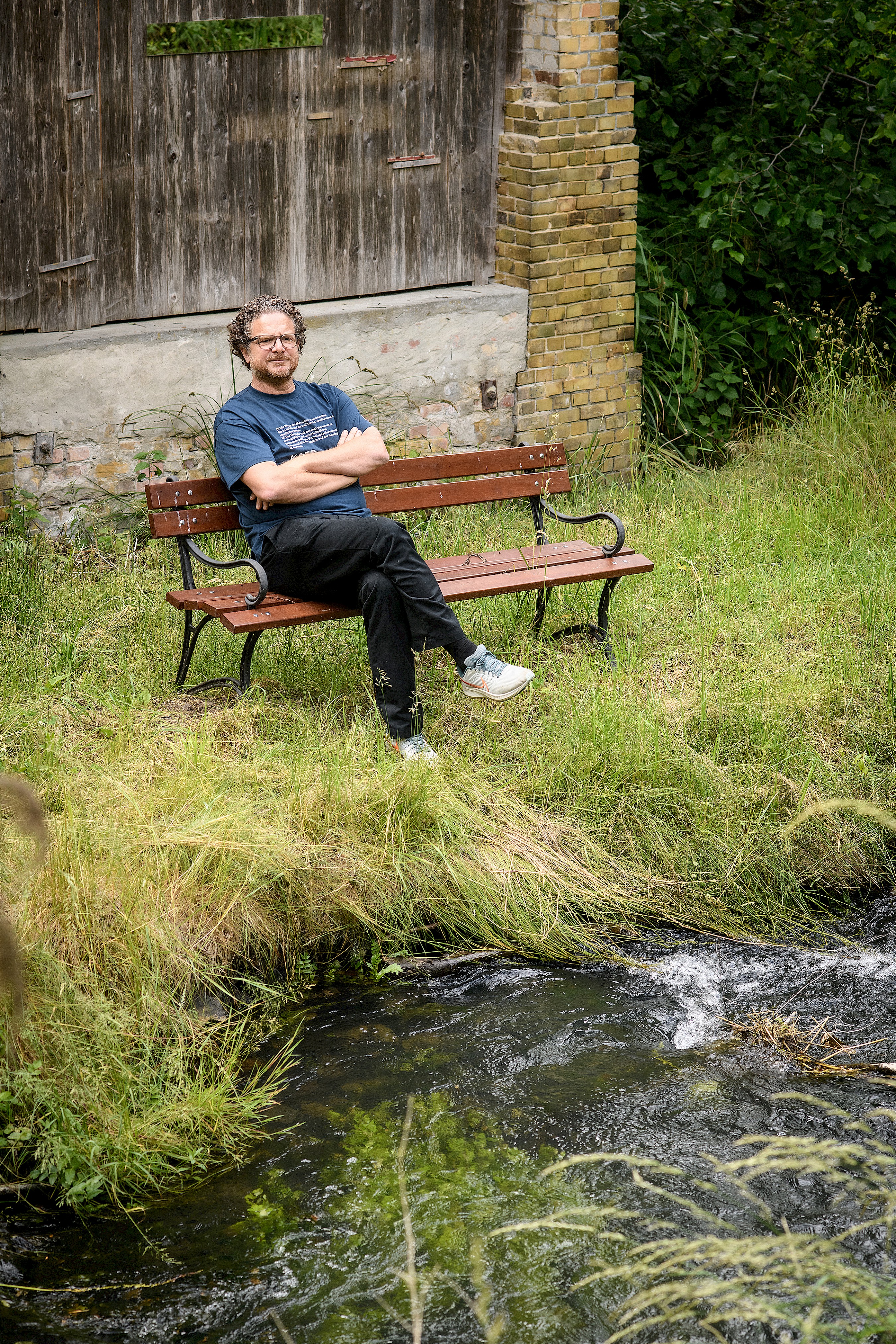


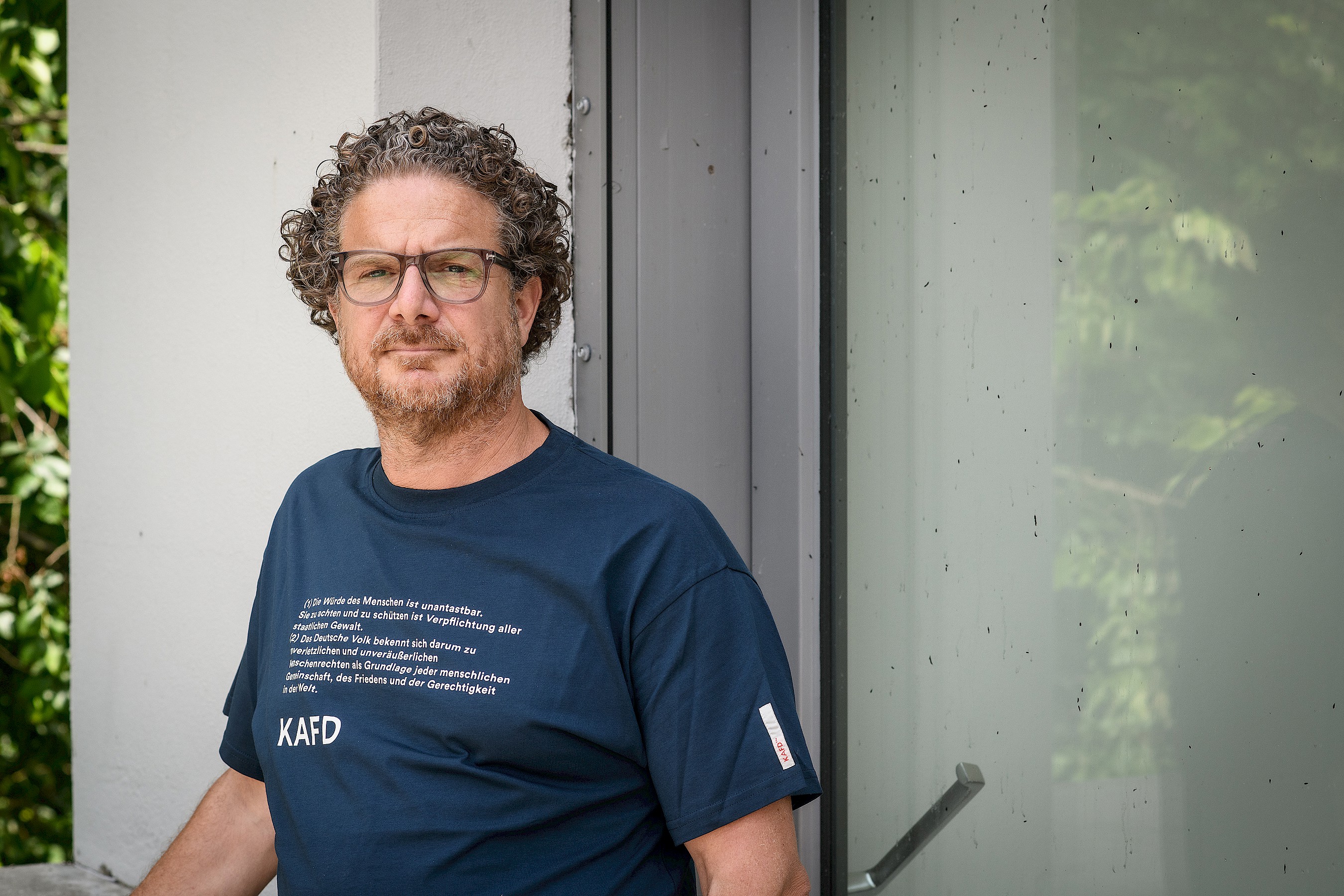
Michael Hecken, Unternehmer und Produktdesigner
Michael Sans
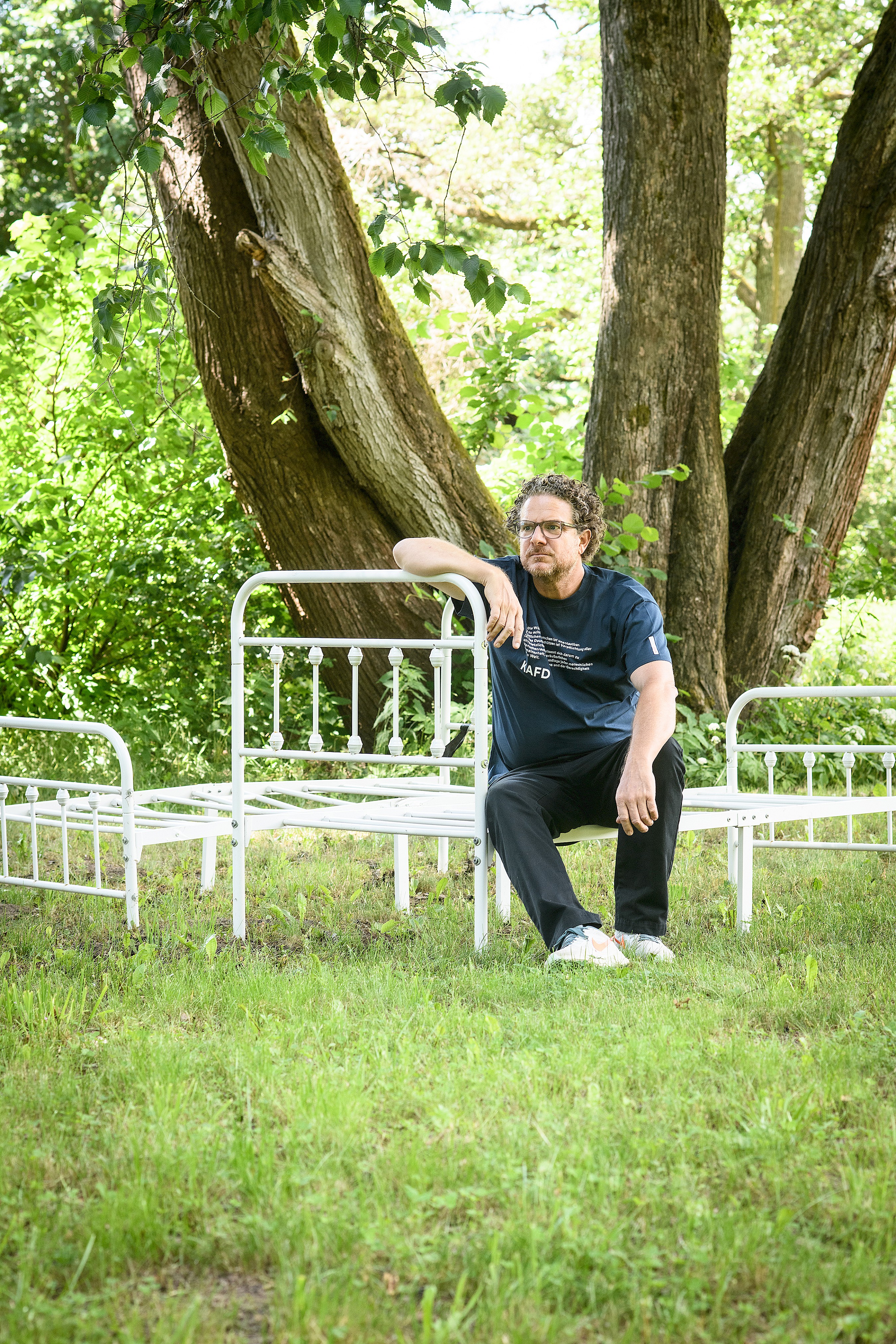
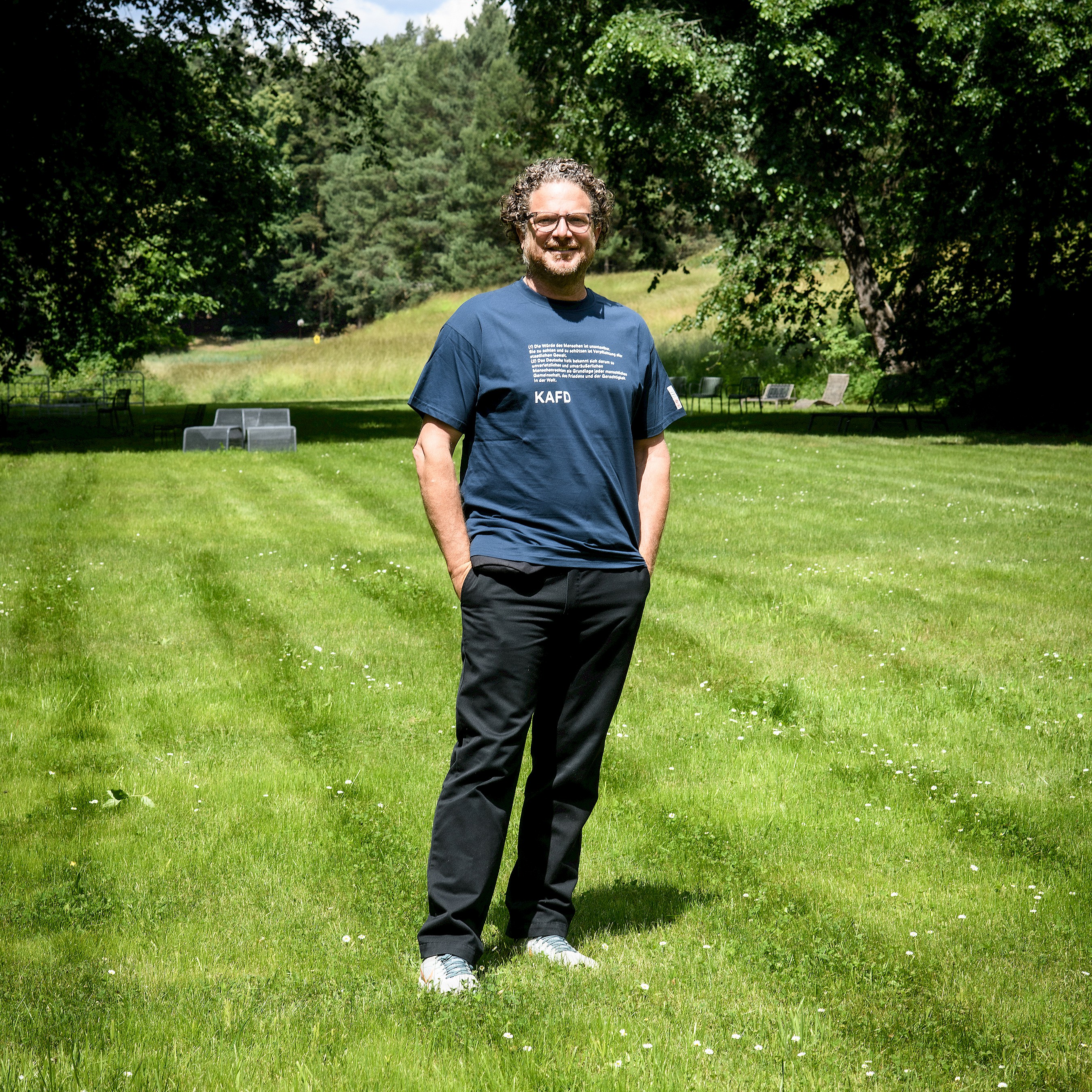
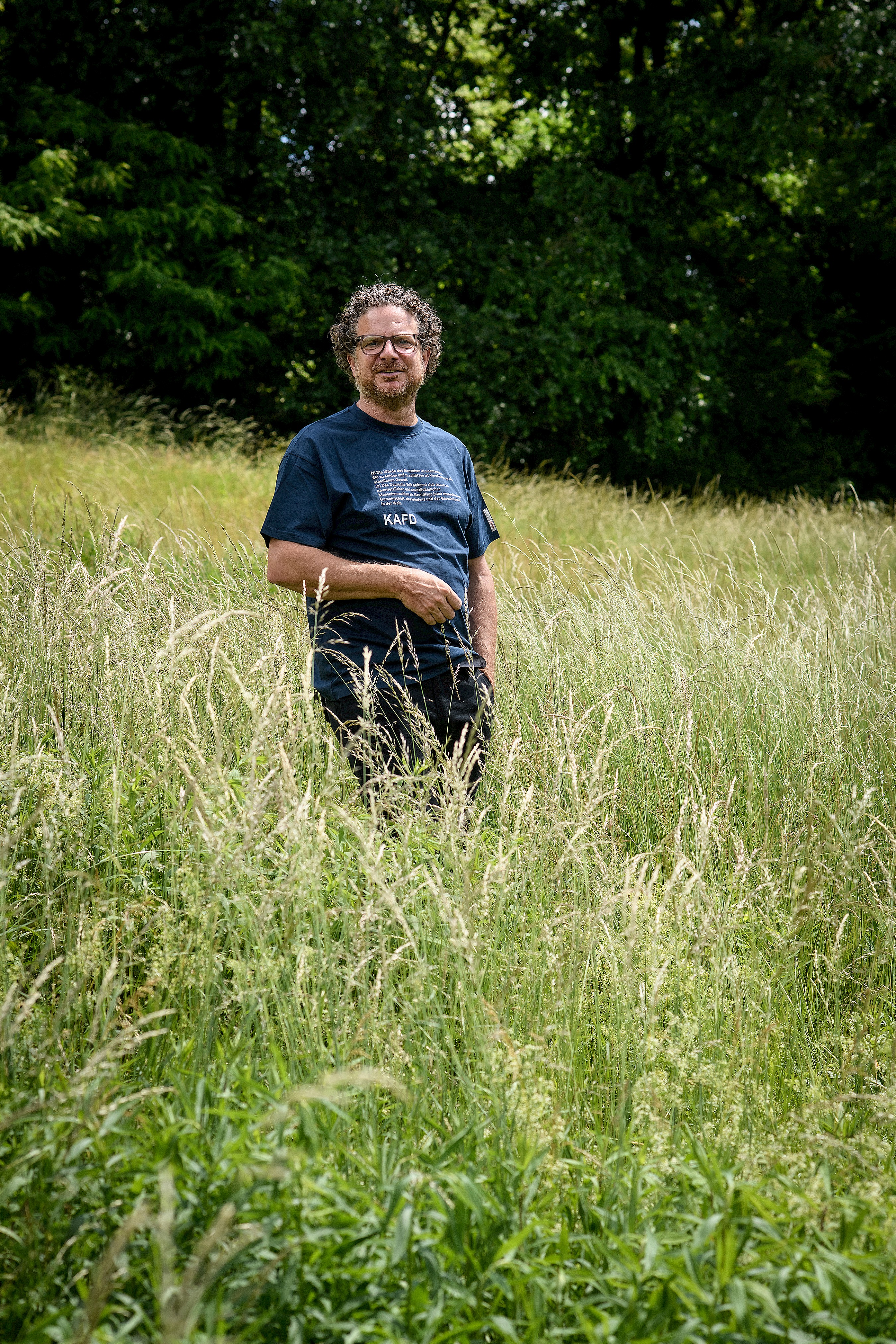
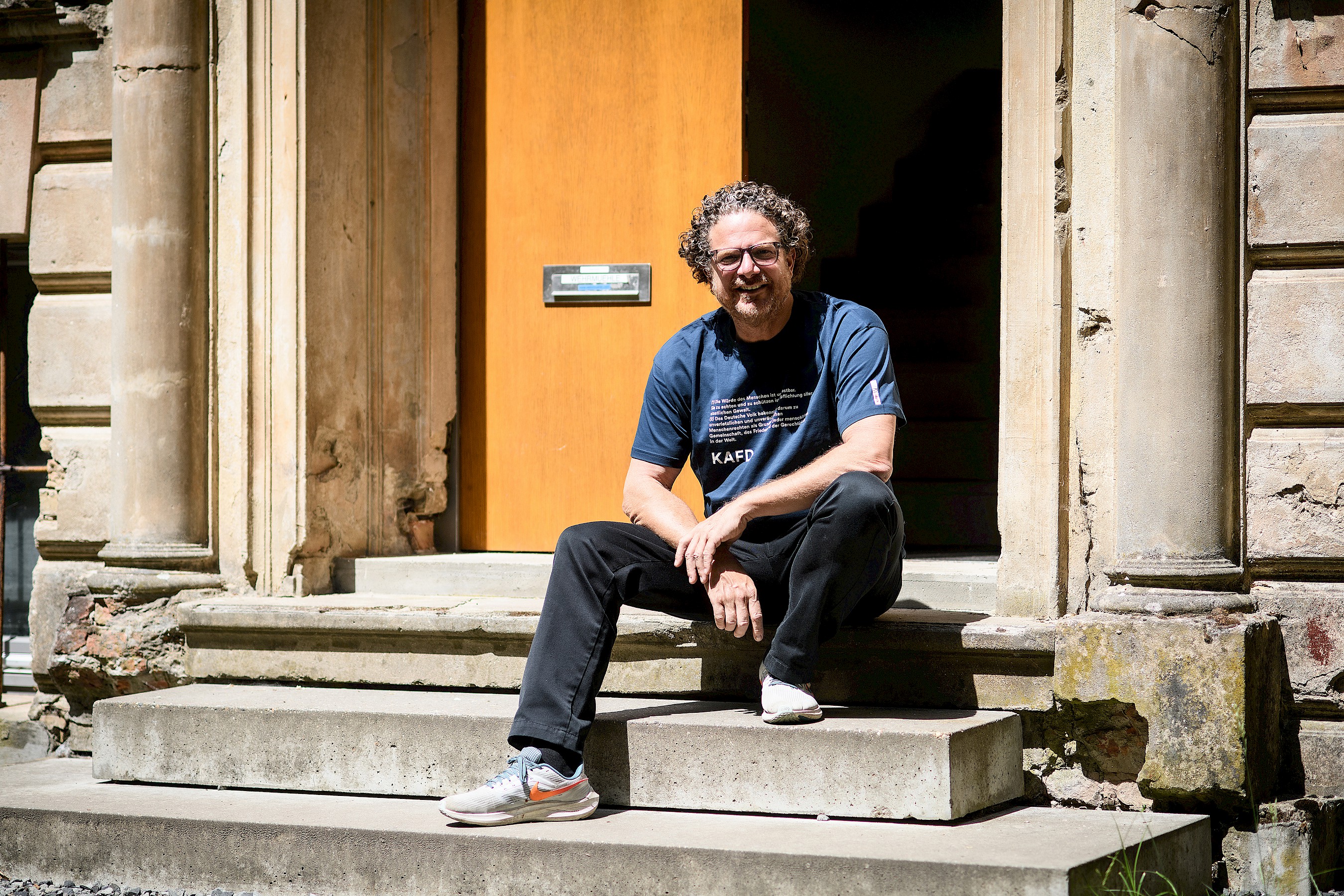
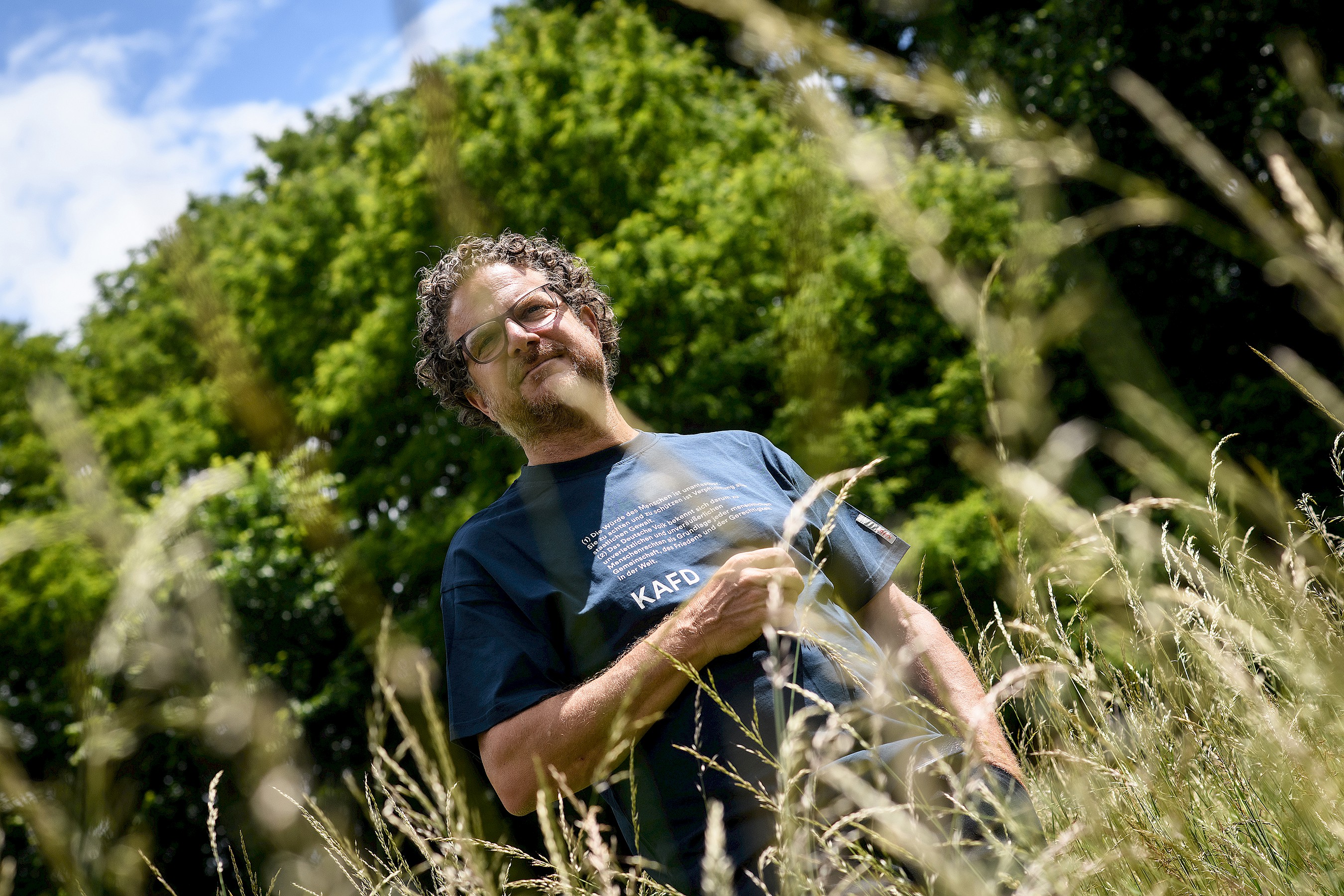
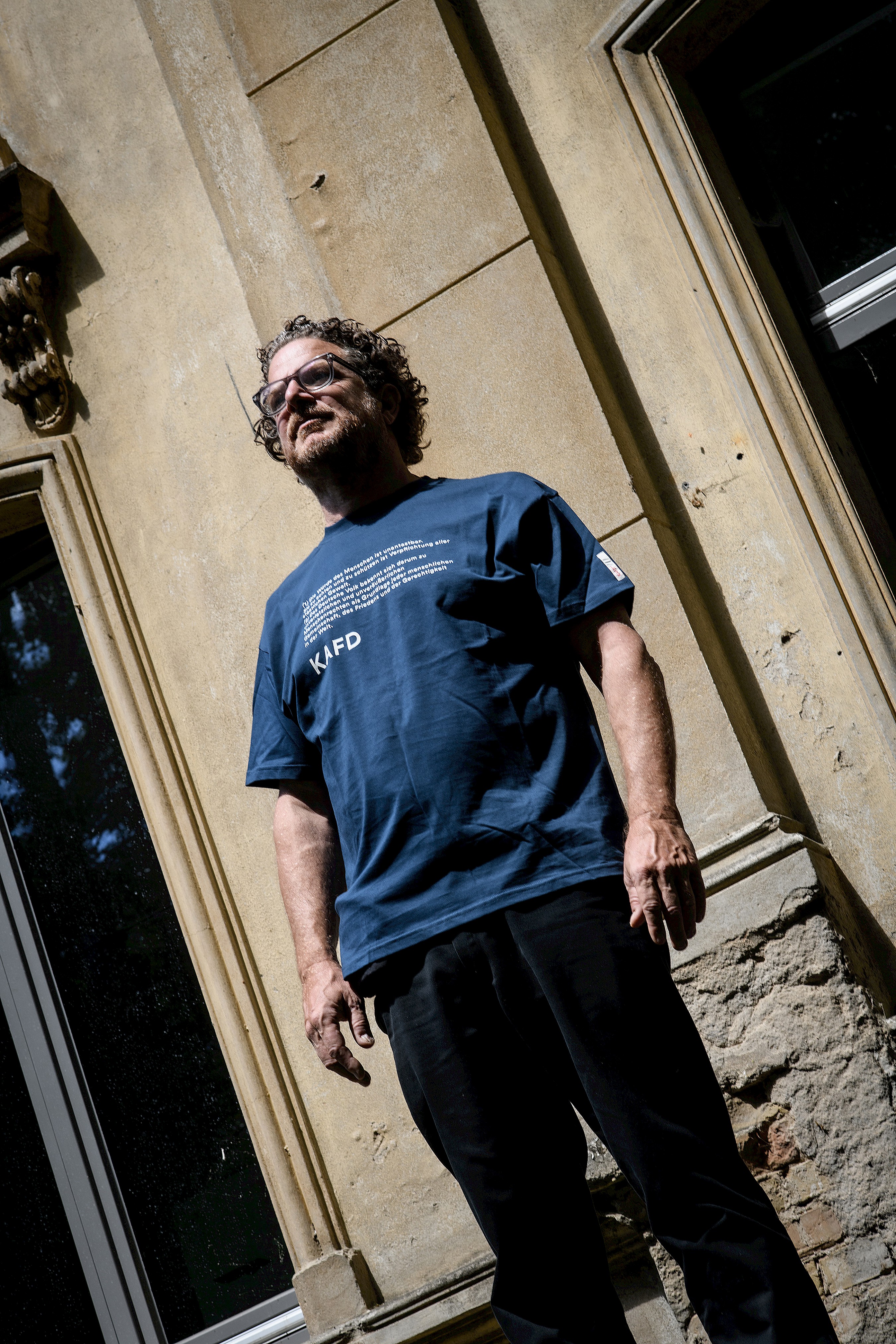
Michael Hecken baut seit fast zwanzig Jahren elektrische Fahrräder. Angefangen hat alles 2008 in der Wehrmühle Biesenthal, in einem Naturschutzgebiet, nördlich von Berlin – aus einer Idee, die damals niemand ernst nahm, wurde mit 'Grace' das erste Designer-E-Bike Deutschlands.
Es folgten 'HNF-Nicolai' und 'Steppenwolf' bikes. Gebaut wird bis heute in Deutschland, verkauft über den gehobenen Fachhandel.
Der Stil dieser Räder ist von Anfang an derselbe geblieben: reduziert, ohne Verkleidungen, ohne aufgesetzte Sportlichkeit. Kein Kabel liegt frei, keine Linie ist Dekoration. Der Rahmen trägt die Technik, statt sie zu verstecken – und was nicht gebraucht wird, kommt nicht ans Rad. „Ein E-Bike wiegt zwanzig Kilo und leistet dasselbe wie eine Tonne Blech“. Das war das Argument von Beginn an, und es ist es geblieben. Hecken hat in der vergangenen 20 Jahren vor allem bei Pendlern sehr viele seiner Ebikes platziert, und hat damit einen Traum wahr gemacht möglichst viel CO2 Einsparung durch Mobilitätswechsel zu erzielen.
Gearbeitet wird international, seit jeher. Vor Berlin lebte Michael Hecken in London und kam aus der Softwarebranche. Zulieferer sitzen in China, Taiwan und Europa, Kunden und Partner über die Kontinente verteilt, von Skandinavien bis Neuseeland. Entwickelt und gefertigt wird trotzdem hier – Entwicklung in Nürnberg, Montage in Sachsen-Anhalt und der Vertrieb über die ganze Welt verteilt.
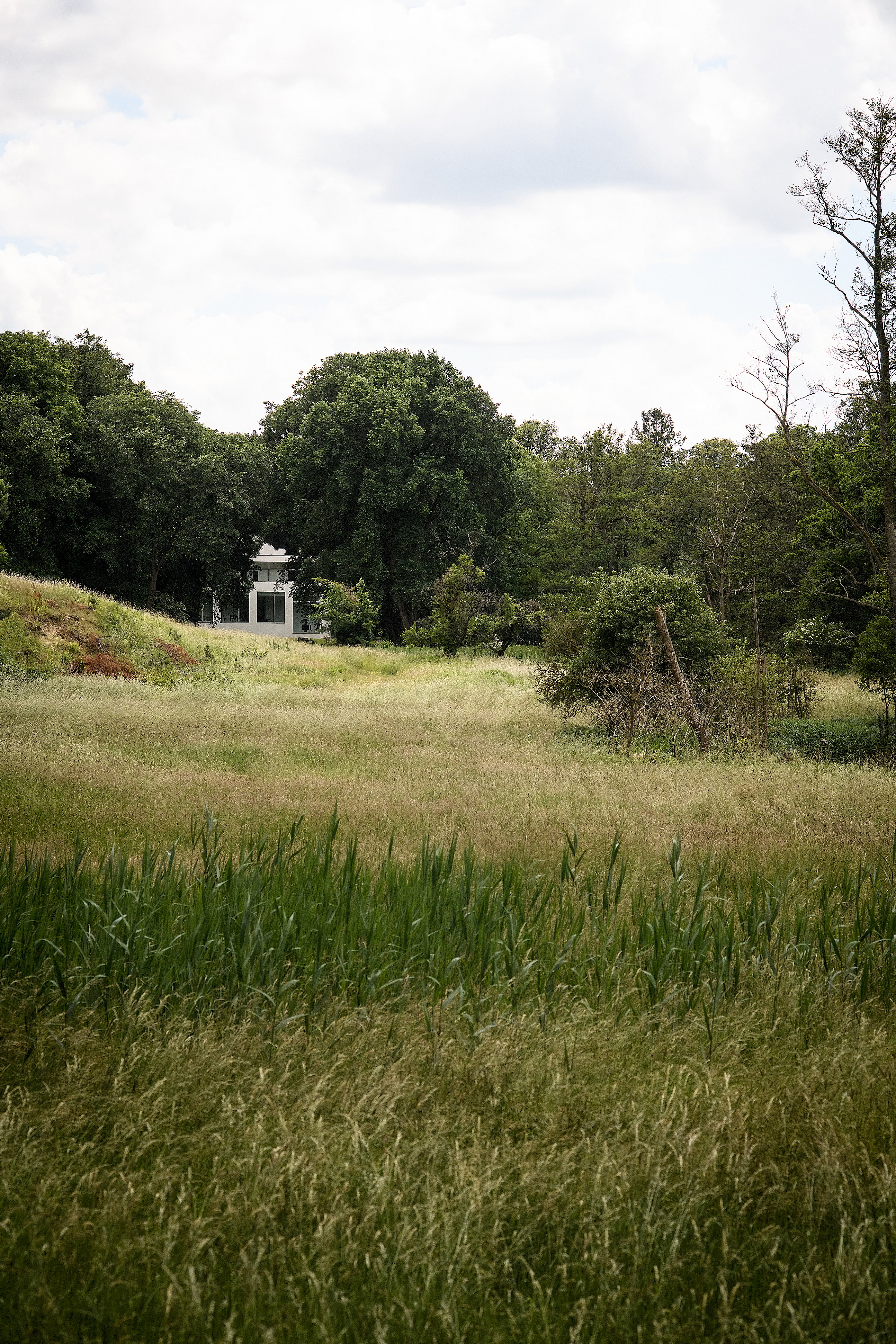
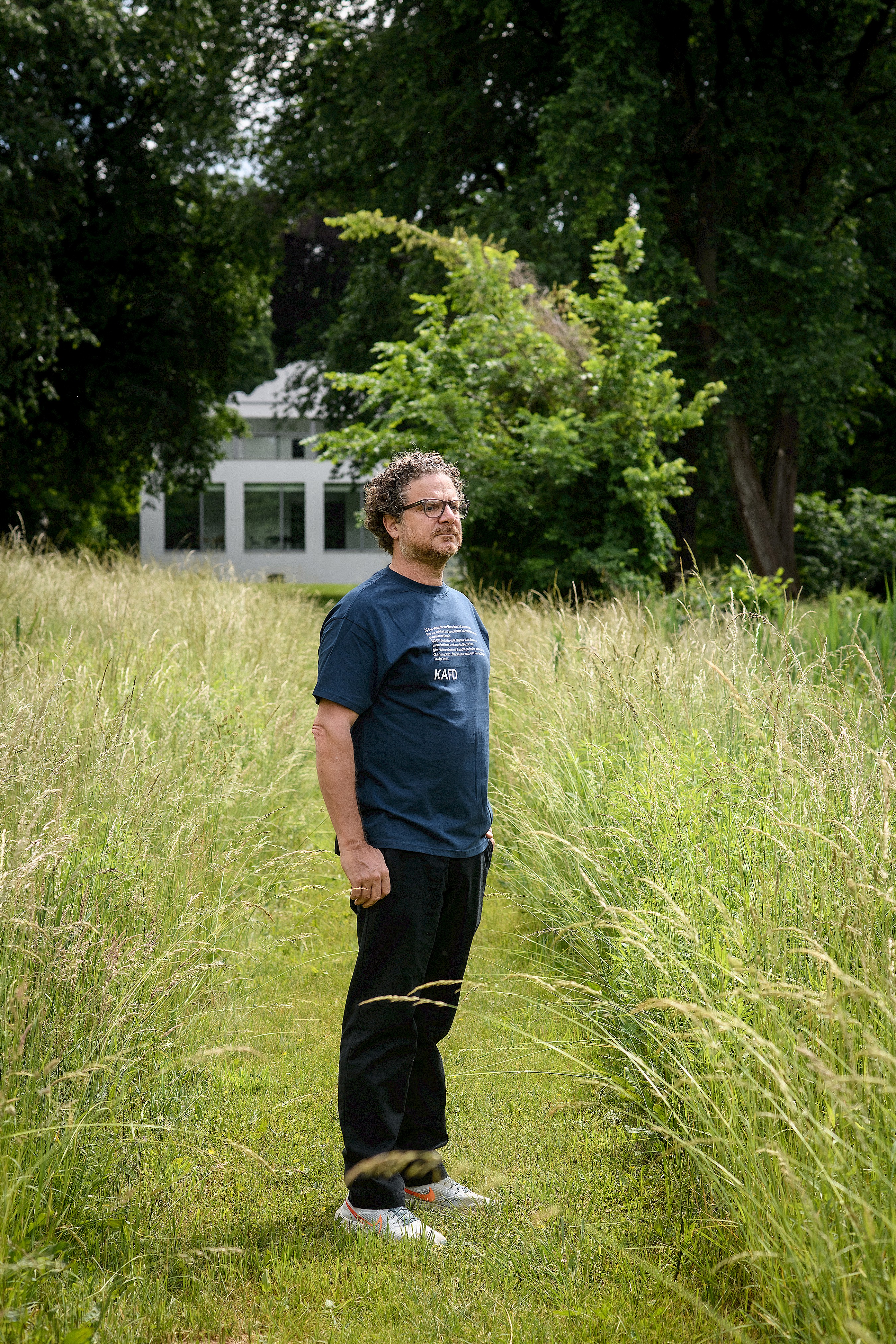
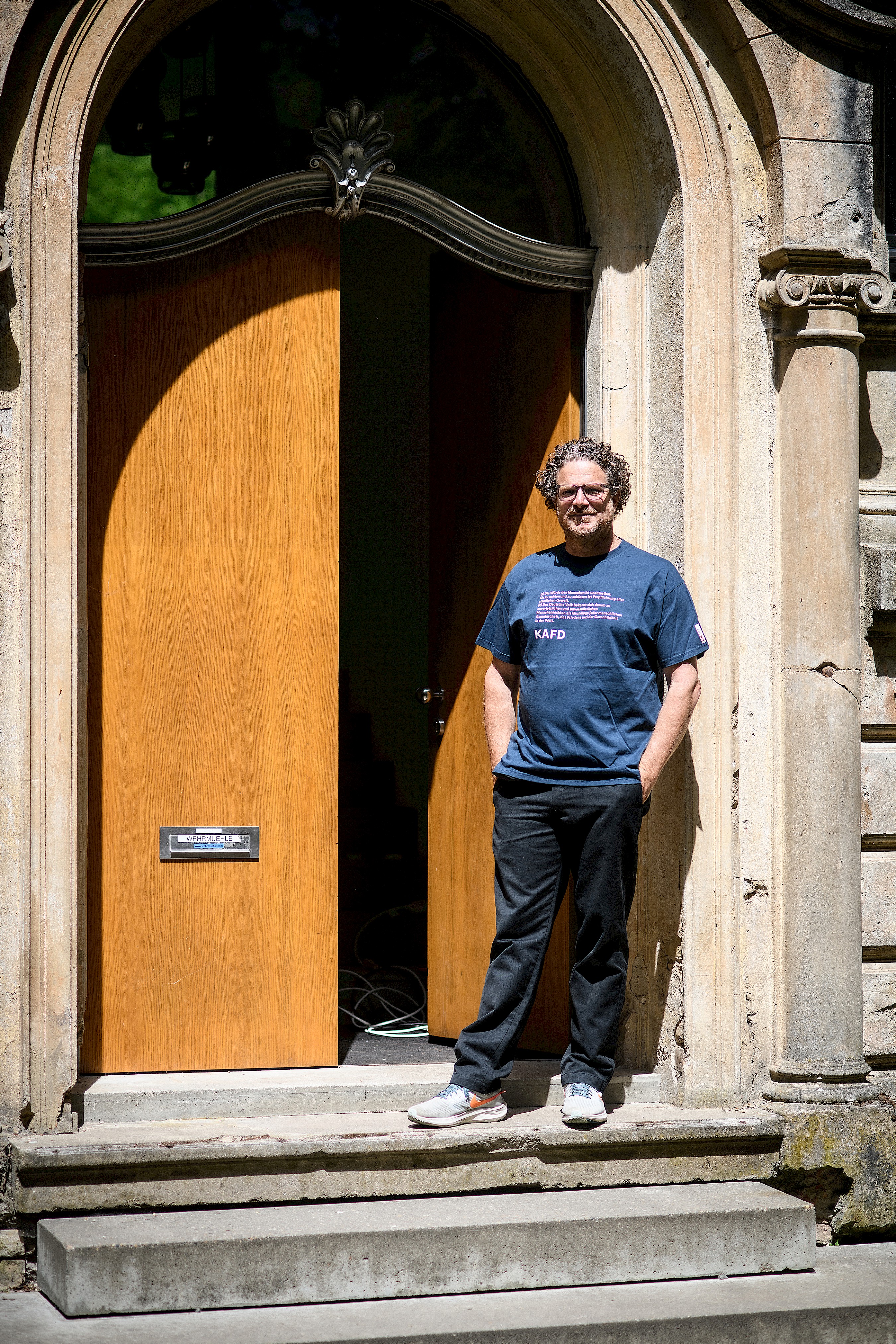
Die Wehrmühle in Biesenthal, eine Mühlenanlage mit Wurzeln im 14. Jahrhundert, hat er 2003 gekauft und gemeinsam mit seiner Frau Stück für Stück wieder nutzbar gemacht. Der Umbau folgt derselben Haltung wie die Räder: Die alte Substanz bleibt sichtbar, das Neue gibt sich als neu zu erkennen. Hinter der historischen Fassade steht ein moderner Bau mit raumhohen Fenstern, entworfen von Zanderroth Architekten. Nichts wird auf alt getrimmt, nichts weggeputzt.
Seit 2006 ist die Wehrmühle, im Sommer, ein Ort für Kunst.
Die Art Biesenthal, ein Werk seiner Frau und seiner Tochter bringt jeden Sommer viel Internationale Kunst in die Gebäude, in den Park und ans Wasser.
Fotos © Michael Sans
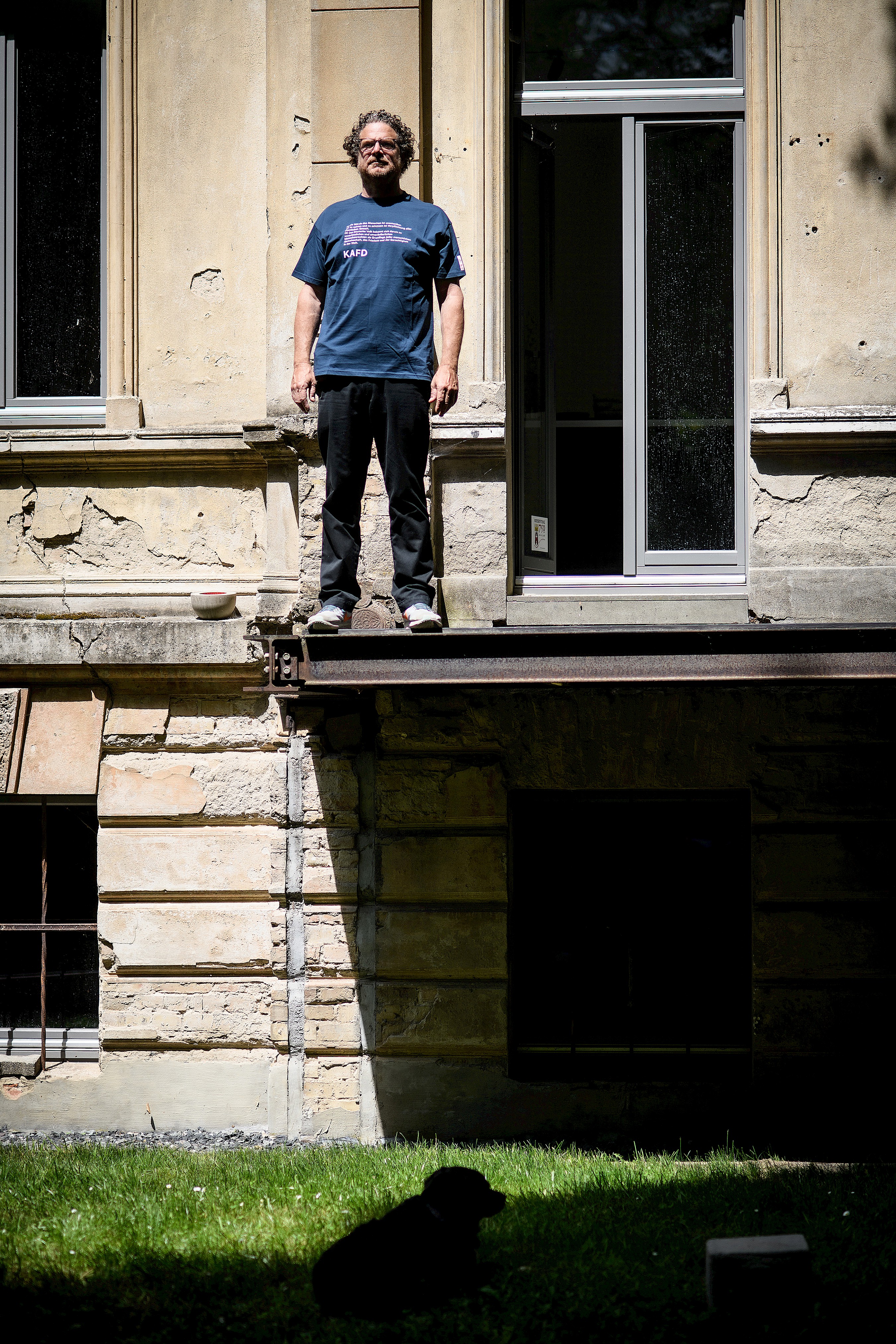
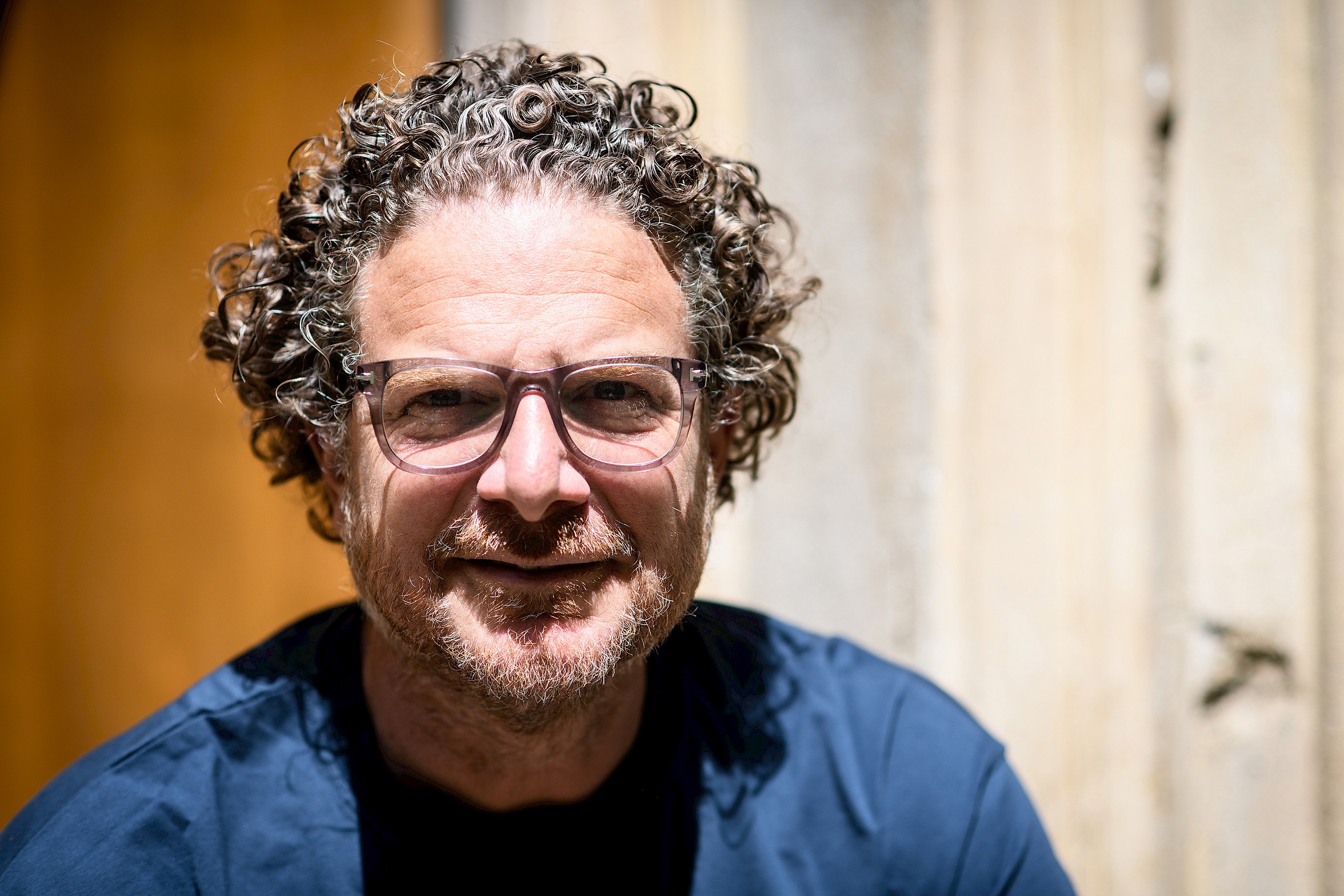
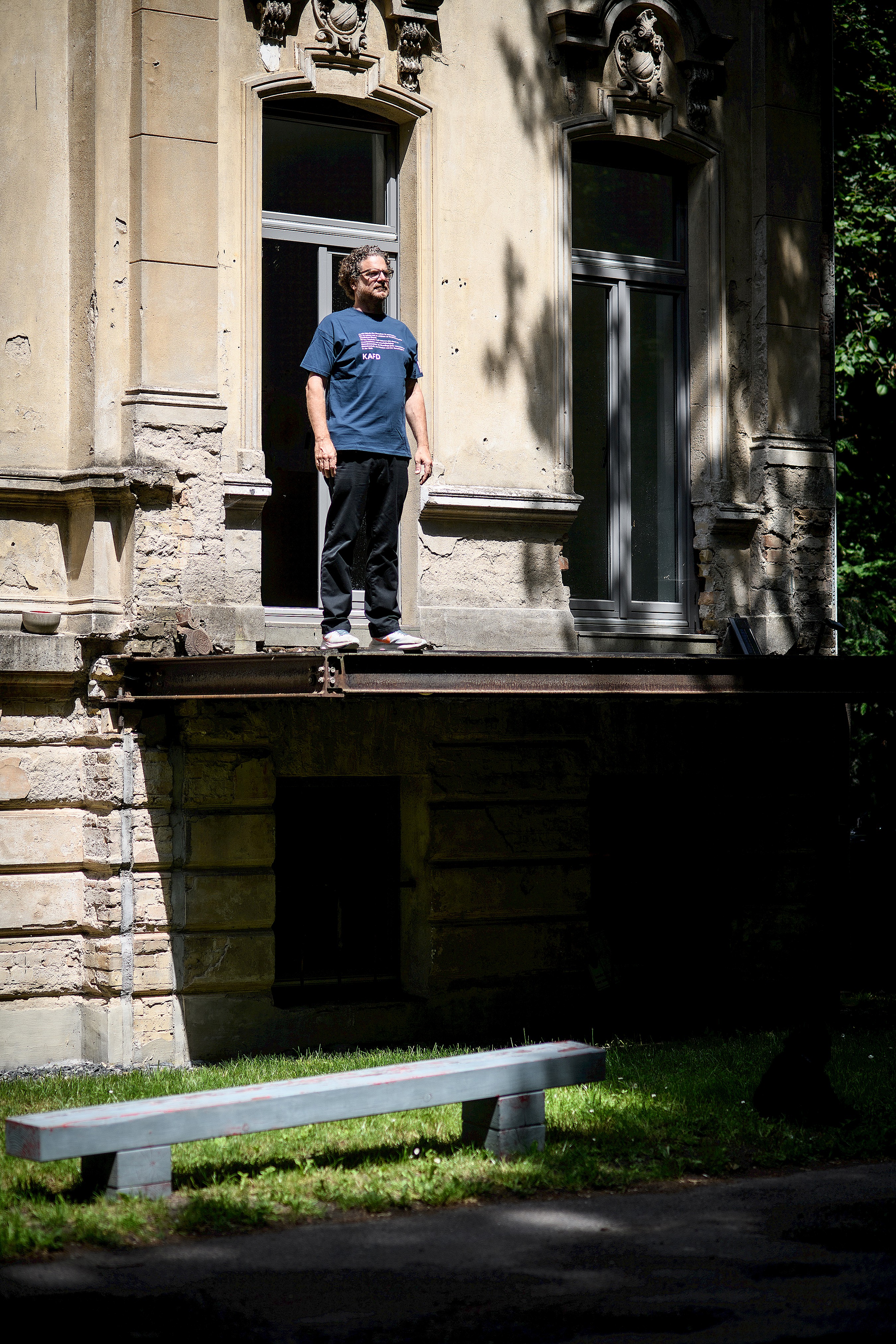
Michael Hecken has been building electric bicycles for almost twenty years. It all began in 2008 at the Wehrmühle in Biesenthal, a nature reserve north of Berlin. An idea that nobody took seriously at the time became 'Grace', Germany’s first designer e-bike.
This was followed by 'HNF-Nicolai' and 'Steppenwolf' bikes. To this day, the bikes are built in Germany and sold through high-end specialist retailers.
The design language of these bikes has remained the same from the very beginning: minimalist, without fairings or added sportiness. No cable is left exposed, and no line is merely decorative. The frame carries the technology rather than hiding it—and anything that isn’t needed doesn’t go on the bike. “An e-bike weighs twenty kilos and does the same job as a ton of sheet metal.” That was the argument from the start, and it remains so today. Over the past 20 years, Hecken has placed many of his e-bikes with commuters in particular, helping to turn his vision into reality: achieving as much CO₂ reduction as possible by changing the way people get around.
His work has always been international. Before Berlin, Michael Hecken lived in London and came from the software industry. Suppliers are based in China, Taiwan and Europe; customers and partners are spread across the continents, from Scandinavia to New Zealand. Nevertheless, the bikes are developed and manufactured here: development in Nuremberg, assembly in Saxony-Anhalt, and distribution around the world.
Hecken bought the Wehrmühle in Biesenthal in 2003. The mill complex dates back to the 14th century, and together with his wife he has gradually restored it and made it usable again. The renovation follows the same philosophy as the bicycles: the historic fabric remains visible, while the new makes no attempt to disguise itself as old. Behind the historic façade stands a modern building with floor-to-ceiling windows, designed by Zanderroth Architekten. Nothing is artificially aged, and nothing has been stripped back or polished away.
Since 2006, the Wehrmühle has also been a place for art during the summer.
Art Biesenthal, a project created by his wife and daughter, brings a wealth of international art to the buildings, the park and the water every summer.
Photos © Michael Sans